Freshwater vs Saltwater Charters in Virginia
Deciding where to cast your line in Virginia can feel like a wonderfully overwhelming task, especially when you're considering hiring a professional guide. Do you yearn for the tranquility of a freshwater lake, chasing elusive bass and crappie? Or does the salty air call to you, promising the thrill of battling a big striped bass or flounder in the vast Chesapeake Bay? This guide is here to untangle the differences between freshwater and saltwater fishing charters in Virginia, helping you pinpoint the perfect adventure for your next angling escapade.
The Fundamental Differences Between Freshwater and Saltwater Charters
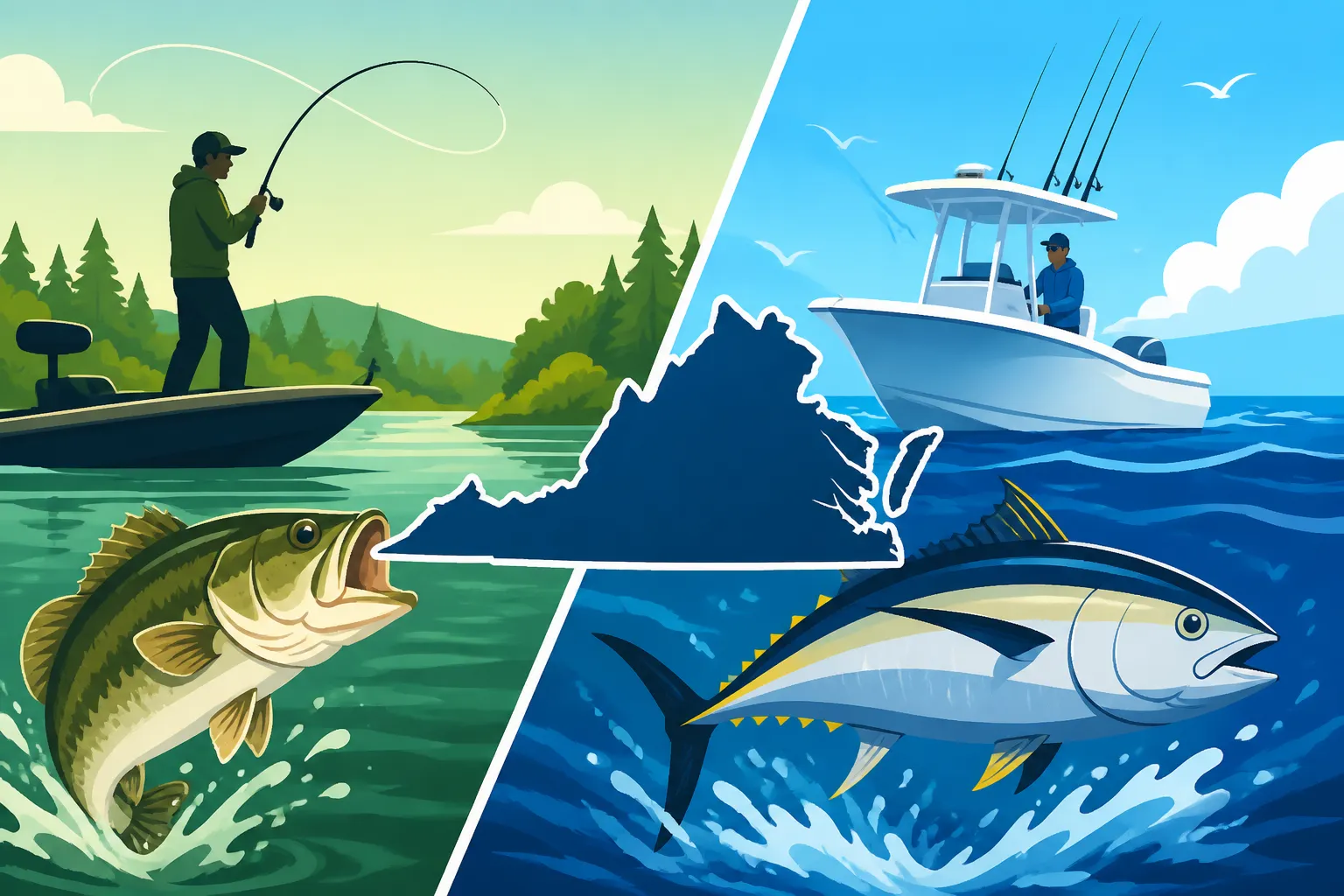
When you start thinking about booking a fishing charter, the first big fork in the road is often whether you want to go freshwater or saltwater. It's not just about the taste of the water; these two experiences offer entirely different adventures, from the fish you'll encounter to the type of boat you'll be on and even the rules you'll need to follow. Understanding these core distinctions is crucial for setting your expectations and ensuring you pick the right trip for your angling dreams.
Target Species and Fishing Environment
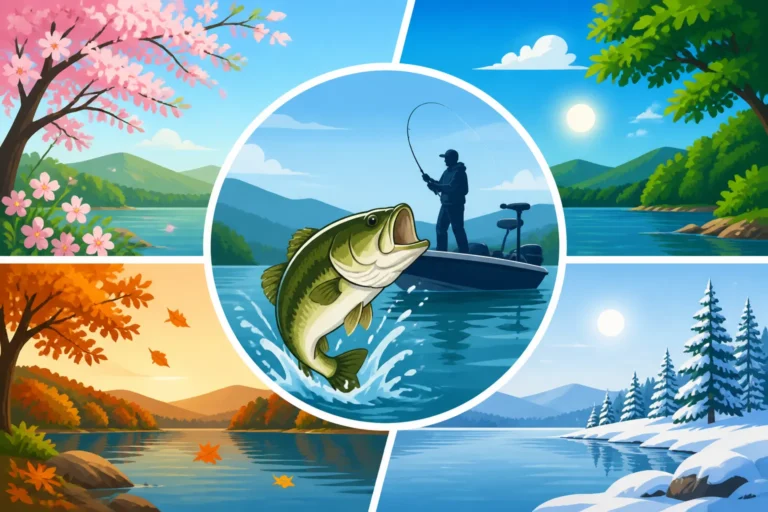
The most obvious difference, of course, lies in the fish themselves and the habitats they call home. Freshwater charters typically take you onto Virginia's myriad lakes, reservoirs, and rivers. Imagine serene mornings on a glassy lake, the only sound the ripple of your boat cutting through the water, as you hunt for species like largemouth bass, smallmouth bass, crappie, catfish, or even trout in cooler mountain streams. The environment is often calmer, with more predictable currents and depths, and the scenery can range from dense forests reflecting on the water to rolling farmland. These trips are often about precision casting, understanding fish behavior in specific structures, and using lighter tackle to feel every subtle bite.
On the flip side, saltwater charters plunge you into the dynamic world of the Atlantic Ocean and the mighty Chesapeake Bay. Here, you're looking for species like striped bass (often called rockfish here in Virginia), flounder, red drum, cobia, tautog, and even offshore giants like tuna or mahi-mahi if you venture far enough out. The environment is vast, exposed to ocean swells and strong tidal currents, which means different challenges and rewards. The focus might be on trolling vast expanses, bottom fishing over wrecks and reefs, or sight-casting to schooling fish. The sheer power of these fish and the expansive, often unpredictable nature of the ocean make for a truly exhilarating, and sometimes humbling, experience.
Vessel Types and Equipment Needs
The type of water you're fishing dictates the type of vessel and the gear needed, and charters are equipped accordingly. For freshwater trips, you'll typically find yourself on smaller, more nimble boats. Think sleek bass boats designed for speed and stability to cover large lake areas, pontoon boats perfect for family-friendly crappie or catfish outings, or even specialized drift boats for navigating shallow rivers for smallmouth bass and trout. The tackle will generally be lighter, ranging from medium-light spinning rods for panfish to medium-heavy baitcasters for punching through lily pads for big largemouth. Your guide will provide all the necessary rods, reels, and a variety of lures and baits tailored to the specific freshwater species and conditions.
Saltwater charters, by necessity, operate with much more robust equipment. You'll often be on larger, more powerful boats built to handle choppy seas and cover significant distances. This includes deep-V center console boats for chasing stripers in the Bay, or larger offshore sportfishing boats capable of venturing far into the Atlantic. Headboats, also known as party boats, are larger vessels that take many anglers out at once for a shared experience, typically bottom fishing. The tackle used is heavy-duty – think stout rods, high-capacity reels loaded with strong line, and larger hooks and weights to contend with powerful currents and big, hard-fighting saltwater fish. Your charter will supply all the specialized gear, from trolling setups to chunking rods, ensuring you have what it takes to land a trophy.
Licensing and Regulatory Considerations
Navigating the rules and regulations for fishing in Virginia can feel like a full-time job if you're not used to it, and it changes depending on whether you're in freshwater or saltwater. This is one area where a charter really shines, as the captain typically handles the licensing for everyone on board, taking a huge burden off your shoulders. However, it's still good to understand the basics.
For freshwater fishing, you'd typically need a Virginia freshwater fishing license issued by the Department of Wildlife Resources (DWR). This license covers most of the state's inland waters. Depending on where you're fishing, there might be additional permits required, like a trout stamp if you're fishing in designated stocked trout waters. The DWR also sets bag limits, size restrictions, and seasons for species like bass, crappie, and catfish. Your freshwater guide will be an expert on these local rules, making sure your trip stays legal and ethical. You can learn more in our guide, Virginia Fishing License Guide.
Saltwater fishing, on the other hand, falls under the purview of the Virginia Marine Resources Commission (VMRC). Anglers typically need a Virginia saltwater fishing license or must be registered with the Virginia Fisherman Identification Program (FIP) if exempt from a license (often the case when fishing on a licensed charter boat). The regulations for saltwater species like striped bass, flounder, and red drum are notoriously complex, with specific slot limits, open seasons, and daily bag limits that can change even mid-season. Captains of licensed saltwater charters will have a blanket license that covers everyone on board, so you usually don't need to worry about buying your own individual saltwater license for the trip. They also stay meticulously up-to-date on the latest VMRC rules to ensure compliance, which is a huge relief when you're just trying to enjoy your time on the water.
Diving Deep into Virginia's Freshwater Charter Experience
Virginia's freshwater fishing scene is incredibly diverse, offering everything from vast reservoirs teeming with game fish to serene mountain streams perfect for fly fishing. Booking a freshwater charter taps into the local expertise that can turn a good day into an unforgettable one. These guides spend countless hours on their home waters, tracking fish movements, understanding seasonal patterns, and knowing the secret spots that most casual anglers would never find.
Premier Freshwater Destinations and Target Fish
Virginia boasts some truly fantastic freshwater fishing destinations, each with its own character and resident fish populations. For many, Smith Mountain Lake is synonymous with exceptional fishing. It's renowned for its incredible striped bass fishery, where anglers troll deep for schooling stripers, but it also offers fantastic largemouth and smallmouth bass fishing, as well as plenty of crappie and catfish. A guide here can help you navigate its sprawling waters and target the species you're after. Smith Mountain Lake Fishing Guide provides even more detail.
Then there's Lake Anna, another powerhouse known for its healthy populations of largemouth bass, crappie, and especially its hybrid striped bass. The warm water discharge from the power plant can make it a hot spot even in cooler months. For those who prefer river fishing, the James River is a fantastic choice, particularly for colossal flathead and blue catfish, and its upper reaches offer excellent smallmouth bass fishing. Guides on the James know the prime holes and channels where these giants lurk. Further west, the Shenandoah River is a dream for smallmouth bass enthusiasts and offers some beautiful trout fishing in its tributaries, especially for fly anglers looking for a more immersive experience. Guides specializing in the Shenandoah often use smaller boats or focus on wade-fishing, offering a truly intimate connection with the river.
What to Expect on a Freshwater Guide Trip
A freshwater guide trip is often a more intimate, focused experience compared to many saltwater charters. You're typically with a smaller group, sometimes just you and the guide, or a small family. This allows for highly personalized instruction and a more tailored approach to the day. Your guide will likely focus on teaching you specific techniques relevant to the conditions and the target species. For instance, if you're after largemouth bass, they might show you how to pitch jigs into heavy cover, work a crankbait over submerged structure, or finesse a soft plastic worm.
These trips are less about simply getting a fish on the boat and more about the education and the process. Many freshwater guides are passionate about conservation, and catch-and-release is often emphasized, especially for trophy-sized fish. You'll learn about reading the water, understanding fish migration patterns, and adapting your strategy as conditions change. It's a fantastic way to develop your angling skills and gain knowledge that you can apply to your own fishing adventures in the future. Expect detailed conversations about bait choices, lure presentations, and optimal fishing times, making it an invaluable learning experience.
Typical Costs and Value Proposition of Freshwater Charters
When considering a freshwater charter in Virginia, you'll generally find the costs to be somewhat lower than what you might expect for a saltwater offshore trip. Of course, prices vary widely based on factors like the duration of the trip (half-day versus full-day), the number of anglers, and the guide's reputation and specialty. However, you can expect to pay a set rate for the boat and guide, rather than a per-person fee, making it more cost-effective for small groups or families.
The value proposition of a freshwater charter is immense, especially for those looking to expand their skills or explore new waters. You're paying not just for the boat and equipment, but for years of accumulated knowledge and experience. A good guide will put you on fish, but more importantly, they'll teach you how they found those fish and why they chose a particular technique. This educational aspect is often cited by clients as the greatest return on their investment. Moreover, the calmer waters and often shorter travel times to fishing spots can make freshwater charters a more relaxing and accessible option for families with younger children or anglers prone to motion sickness.
Here's a quick look at some general characteristics:
| Feature | Freshwater Charters (Virginia) | Saltwater Charters (Virginia) |
|---|---|---|
| Primary Environment | Lakes, reservoirs, rivers (e.g., Smith Mountain Lake, James River) | Chesapeake Bay, Atlantic Ocean, tidal rivers (e.g., Virginia Beach, York River) |
| Typical Target Species | Largemouth Bass, Smallmouth Bass, Striped Bass (freshwater), Crappie, Catfish, Trout | Striped Bass (Rockfish), Flounder, Red Drum, Cobia, Tautog, Offshore Species |
| Common Vessel Type | Bass boats, pontoon boats, drift boats | Center console boats, sportfishing yachts, headboats (party boats) |
| Average Group Size | Small (1-4 anglers), more intimate | Small private (1-6 anglers) to large headboats (dozens of anglers) |
| Primary Techniques | Casting, jigging, trolling (in lakes), fly fishing | Trolling, bottom fishing, drift fishing, deep dropping, sight casting |
| Motion Sickness Risk | Low to none | Moderate to high (depending on conditions and location) |
| License Requirement | VA Freshwater Fishing License (often covered by guide) | VA Saltwater Fishing License/FIP (almost always covered by charter) |
| Typical Trip Focus | Education, specific species techniques, calmer experience | Action-oriented, trophy hunting, covering large areas, exhilarating |
Navigating Virginia's Saltwater Charter Adventures
If the thrill of the open water and the challenge of battling powerful marine species beckon, Virginia's saltwater charter scene is ready to deliver. From the immense Chesapeake Bay to the deep blue Atlantic, these trips offer a diverse range of experiences that cater to different preferences, skill levels, and target species.
Top Saltwater Regions and Prized Catches
Virginia's coastline is primarily dominated by the Chesapeake Bay, a massive estuary that is a world-class fishery in its own right. Here, anglers often chase the iconic striped bass, particularly during their spring and fall migrations. The Bay also offers excellent fishing for flounder, red drum, speckled trout, and various panfish. Captains who specialize in the Bay know its complex channels, oyster reefs, and bridge structures like the Chesapeake Bay Bridge-Tunnel, all of which hold incredible fish. For more on this, check out Chesapeake Bay Striped Bass Fishing Guide.
Venturing south, Virginia Beach serves as a gateway to both inshore Bay fishing and exhilarating offshore adventures in the Atlantic. Inshore, you can target stripers, flounder, and red drum. Offshore, the possibilities expand dramatically to include tuna, mahi-mahi, wahoo, and marlin, though these trips require significantly longer runs and a bigger investment. The tidal rivers feeding into the Bay, such as the James, York, and Rappahannock, also offer fantastic brackish water fishing for species like striped bass and massive catfish, blurring the line between freshwater and saltwater adventures. If you're interested in booking a trip out of Virginia Beach, our Virginia Beach Fishing Charters and Trip Costs guide can help.
Charter Boat Styles and Trip Dynamics
The diversity of saltwater fishing in Virginia means a variety of charter boat styles and trip dynamics. You'll typically find two main types:
-
Private Charters: These are boats hired exclusively for your group, usually accommodating 1-6 anglers. This option offers the most flexibility, allowing you to discuss your target species and preferred techniques with the captain. Whether you want to troll for striped bass, bottom fish for flounder, or chase red drum, the trip is tailored to your group's desires. It's a more personalized experience, often fostering a strong rapport with the captain and crew.
-
Headboats (or Party Boats): These larger vessels take multiple individual anglers or small groups on a shared trip. Headboats are usually more budget-friendly on a per-person basis and are fantastic for bottom fishing for species like croaker, spot, sea bass, and tautog. While you might not get the same personalized attention as on a private charter, they offer a social atmosphere and are a great way for solo anglers or small groups to experience saltwater fishing without booking an entire boat. They often provide all bait and tackle, making it an easy entry point for beginners.
Trip lengths also vary, from half-day excursions (typically 4-5 hours) perfect for families or those new to offshore fishing, to full-day adventures (8-10 hours) that allow more time to reach prime fishing grounds or target a wider range of species. For the truly adventurous, overnight or multi-day offshore trips are available from Virginia Beach for big game species.
Pricing Structures and What's Included in Saltwater Charters
Saltwater charters generally come with a higher price tag than their freshwater counterparts, and for good reason. The boats are larger, more complex, require more fuel, and often involve a crew in addition to the captain. These costs reflect the significant investment in specialized equipment, maintenance, and the expertise required to navigate challenging marine environments.
Pricing for private charters is typically quoted as a flat rate for the boat, regardless of how many people are in your group (up to the maximum capacity, usually six). Headboats, conversely, charge on a per-person basis. When you're looking at prices, remember that they often include a lot more than just the ride:
- Captain and Crew: Their invaluable expertise and hard work.
- Fuel: A major expense for saltwater trips.
- Bait and Tackle: All the rods, reels, lures, and bait you'll need.
- Ice: For keeping your catch fresh and your drinks cold.
- Licenses: As mentioned, most licensed charters cover the necessary fishing permits for everyone on board, so you don't need to purchase a separate Virginia Fishing License Guide.
When you're trying to find and compare options, online platforms like FishingBooker can be incredibly helpful. They allow you to filter by location, trip type, target species, and price, and you can read reviews from other anglers to get a sense of the experience. It takes some of the guesswork out of booking, which is a huge relief when you're planning an important outing. Just remember, these are starting points, and it's always wise to confirm exactly what's included when you make your booking.
Choosing the Right Charter for Your Fishing Goals
With so many incredible options in Virginia, narrowing down your choice between a freshwater and saltwater charter can feel daunting. It really boils down to what you envision for your ideal fishing day, your comfort level, and the kind of experience you're hoping to have. Don't worry, there's no wrong answer, just the right one for you.
Considering Your Skill Level and Experience
Your angling experience plays a significant role in which type of charter might be a better fit.
-
For Beginners: Freshwater charters often present a less intimidating introduction to guided fishing. The waters are typically calmer, the boats are smaller, and the focus can be more on learning fundamental techniques in a relaxed setting. Species like crappie, bluegill, and smaller bass are excellent for building confidence and getting bites. A river trip for catfish can also be incredibly rewarding for a novice. The more controlled environment allows for a lot of hands-on teaching without the added variables of ocean swells or strong tides. You might also find that freshwater trips are generally more Family-Friendly Fishing Charters in Virginia.
-
For Experienced Anglers: Both freshwater and saltwater charters offer plenty of challenges and opportunities. If you're an experienced bass angler, a freshwater guide can help you dial in on a trophy largemouth in a new lake or master specific techniques for tough conditions. If you're seeking a true test of strength and skill, battling a large striped bass in the Chesapeake Bay or heading offshore for tuna provides an adrenaline rush that's hard to beat. Saltwater charters often involve more complex equipment and tactics, making them exciting for those who appreciate the intricacies of marine fishing.
Group Size, Budget, and Time Availability
These practical considerations are often the deciding factors for many anglers.
-
Group Size: If you're planning a trip with a small, intimate group (2-4 people), a private freshwater guide or a smaller private saltwater charter might be ideal. This allows for maximum flexibility and personalized attention. If you have a larger group (say, 6 or more) or are just a solo angler looking for a social experience without the full private charter cost, saltwater headboats are an excellent choice. They offer a cost-effective way to get out on the big water.
-
Budget: As discussed, freshwater charters often have a lower overall cost than saltwater trips due to differences in boat size, fuel consumption, and crew needs. If budget is a primary concern, a half-day freshwater trip might offer the most bang for your buck while still providing a quality guided experience. Saltwater charters, especially full-day or offshore trips, represent a larger investment, but they also open up opportunities for different species and more expansive fishing grounds. It's all about balancing cost with the desired experience.
-
Time Availability: A half-day trip, whether freshwater or saltwater, is perfect if you have limited time or want to combine fishing with other activities. These are typically 4-5 hours on the water. Full-day trips, usually 8-10 hours, offer a more immersive experience, allowing the captain to cover more ground, target multiple species, or fish during prime bite windows that might extend beyond a half-day. Consider how much of your day you want to dedicate to fishing when making your choice.
Specific Fish You Want to Target
Sometimes, the choice is made for you by the fish themselves. If you have a specific species in mind, that will immediately steer you towards either freshwater or saltwater.
-
Freshwater Dreams: If your heart is set on catching a massive largemouth bass, a feisty smallmouth from a river, a stringer of panfish for dinner, or the quiet solitude of trout fishing, then a freshwater charter is your clear winner. Guides specializing in these species will know exactly where to take you and how to catch them. You might be interested in our guides on How to Catch Largemouth Bass Year-Round or Crappie Fishing Techniques for Beginners for more insight into these species.
-
Saltwater Thrills: If you're dreaming of the powerful tug of a striped bass, the challenge of landing a flounder, or the excitement of offshore big game, then saltwater is your calling. Virginia's Bay and ocean waters offer incredible opportunities for these species. Knowing whether you want to stay inshore (for rockfish, flounder) or venture offshore (for tuna, mahi) will further refine your saltwater charter selection.
Using Online Resources to Find Your Perfect Trip
In today's digital age, finding and booking a fishing charter has never been easier. Online platforms have revolutionized the process, offering a centralized place to research, compare, and reserve your trip. Websites like FishingBooker are fantastic for this, providing extensive listings of captains and guides across Virginia. You can filter by location (e.g., "Smith Mountain Lake" or "Virginia Beach"), by target species (e.g., "striped bass" or "catfish"), by trip duration, and even by the type of boat.
What makes these platforms so valuable is the wealth of information available: detailed captain profiles, photos of catches, and perhaps most importantly, genuine reviews from past clients. These reviews offer invaluable insights into the captain's demeanor, their fishing prowess, the quality of their gear, and the overall trip experience. Taking the time to read through them can give you a really good sense of what to expect and help you find a guide whose style aligns with your own. Don't be afraid to reach out to a captain through the platform with any specific questions before booking; most are happy to help ensure you have the best possible trip. This approach can really demystify the process of How to Book a Fishing Charter in Virginia.
Preparing for Your Virginia Fishing Charter
Once you've made the exciting decision between a freshwater or saltwater charter and booked your trip, the next step is to prepare yourself for the day. A little preparation goes a long way in ensuring you have a comfortable, safe, and enjoyable experience on the water, no matter what kind of fishing adventure you've chosen.
Essential Gear and Clothing to Bring
While your charter will provide all the necessary fishing gear, there are several personal items you should absolutely bring along to make your day more pleasant:
- Sun Protection: Virginia sun can be intense, even on cloudy days. Pack a wide-brimmed hat, polarized sunglasses (essential for spotting fish and protecting your eyes), and plenty of high-SPF sunscreen. Long-sleeved shirts and pants, preferably made of UPF-rated fabric, are also a smart choice.
- Layers of Clothing: Weather on the water can change quickly. It might be cool in the morning and warm by midday, or a sudden shower could roll through. Dressing in layers allows you to adjust to temperature fluctuations. A lightweight rain jacket is always a good idea, even if the forecast looks clear.
- Appropriate Footwear: Wear comfortable, non-slip shoes. Sneakers or boat shoes are ideal. Avoid open-toed sandals or flip-flops, especially on saltwater charters where the deck can get wet and slippery.
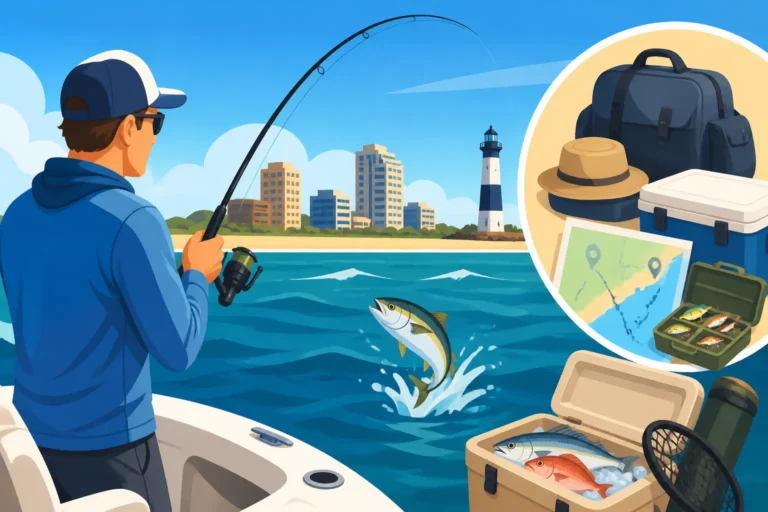
- Food and Drinks: While some charters might provide water, it's always best to bring your own snacks, lunch, and beverages to stay hydrated and energized throughout the day. A small cooler is often helpful.
- Cooler for Your Catch (if keeping): If you plan on keeping fish within the legal limits, bring a separate cooler to transport your fillets home. Most captains will clean and bag your catch for you at the end of the trip, but you'll need a way to get it home.
- Motion Sickness Medication: If you've booked a saltwater charter and are prone to motion sickness, take preventative medication (like Dramamine) before you board the boat, not after you start feeling queasy. Ginger chews can also help.
- Camera: To capture those memorable moments and trophy catches!
Understanding Etiquette and Tipping
Fishing charters are a partnership between you and your captain/crew. A good relationship makes for a better day for everyone.
- Listen to Your Captain/Guide: They are the experts on their water and their boat. Pay attention to their instructions regarding safety, fishing techniques, and boat rules. They're trying to put you on fish and ensure everyone's safety.
- Be Mindful of Space: On a private charter, respect your fellow anglers' space when casting. On a headboat, be extra conscious of those around you to avoid tangled lines or accidental hooks.
- Don't Be Afraid to Ask Questions: If you're unsure about something, ask! Guides love sharing their knowledge, and it's a great way to learn.
- Tipping: Tipping the captain and/or crew is customary and highly appreciated in the charter fishing industry, just like in other service industries. A standard tip is typically 15-20% of the total trip cost. If they worked hard, provided excellent service, and put you on fish, a generous tip reflects your appreciation for their effort and expertise. Hand the tip directly to the captain or mate at the end of the trip. Our Tipping Norms for Virginia Fishing Charter Crews guide offers more detailed advice on this.
Maximizing Your Experience and Enjoying the Day
Ultimately, your attitude can greatly impact your enjoyment.
- Manage Expectations: Fishing is fishing, not catching. There will be banner days, and there will be slower days. A good captain will always try their best to put you on fish, but success isn't always guaranteed. Focus on the experience of being on the water, learning new skills, and enjoying the camaraderie.
- Be Engaged: Ask questions, participate in the process, and offer to help when appropriate (e.g., netting a fish, re-baiting a hook). The more engaged you are, the more you'll learn and enjoy.
- Stay Positive: Even if the fish aren't biting, maintain a positive attitude. The beauty of Virginia's waterways, the wildlife you might see, and the stories shared with your guide are all part of the experience.
- Have Fun! This is your adventure. Relax, soak it all in, and create some lasting memories. Whether it's the peaceful solitude of a freshwater lake or the exciting chaos of a saltwater bite, Virginia's fishing charters offer unforgettable experiences for every angler.
Disclaimer
This article is for general informational purposes only and does not constitute professional advice. Laws, prices and regulations vary by location and change over time. Consult a qualified professional for guidance on your specific situation.