Best Streams for Fly Fishing for Trout
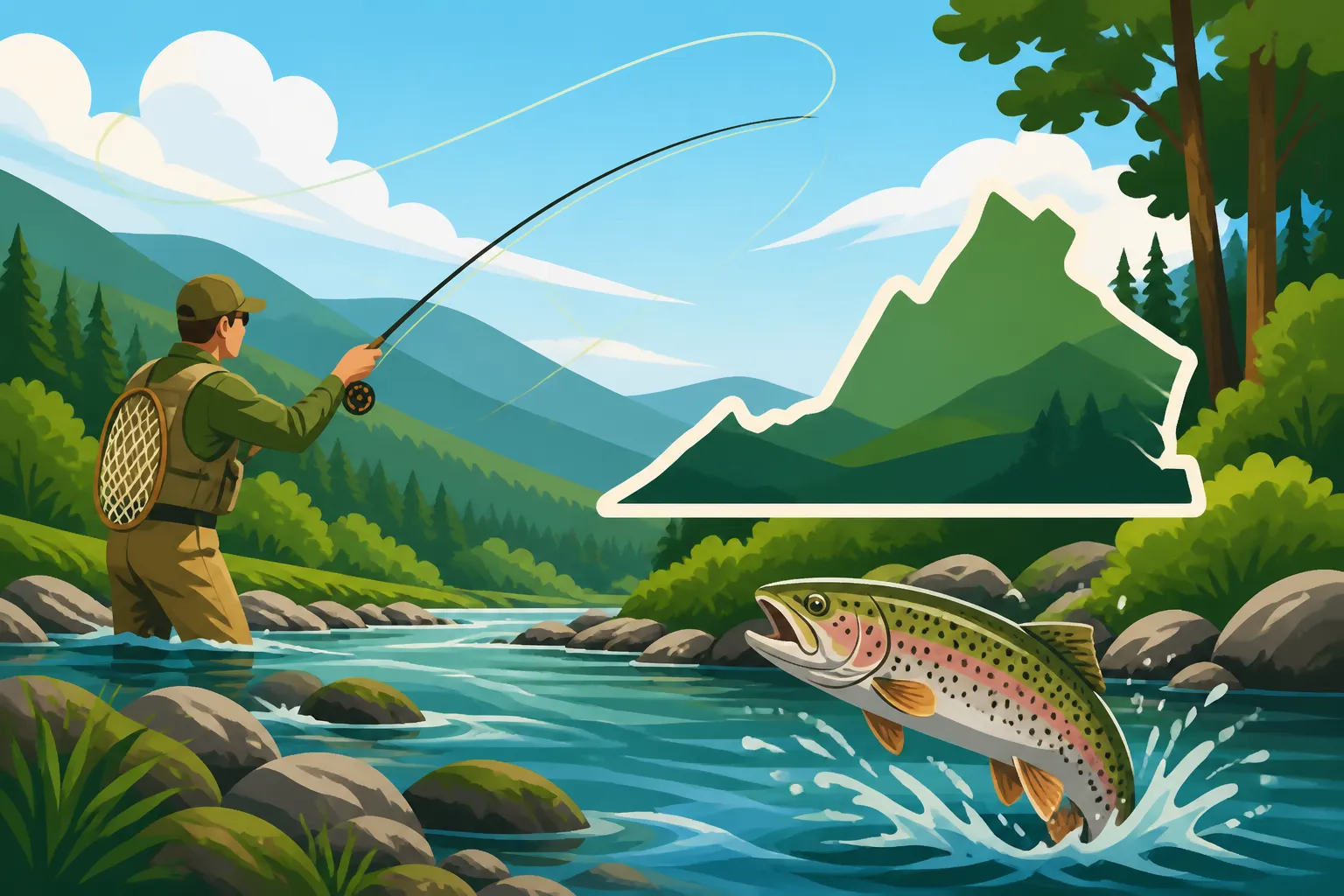
There's nothing quite like the feeling of stepping into a cool Virginia stream, the crisp mountain air filling your lungs, and the anticipation of a beautiful trout rising to your carefully presented fly. But let's be honest, finding those truly exceptional spots for fly fishing for trout can feel like searching for a hidden treasure map, especially when you're dreaming of a day filled with the dance of a fly rod. This guide is here to cut through the mystery, offering you an in-depth look at Virginia's prime trout streams, the best times to visit, and what you'll need to make your angling dreams a reality.
Understanding Virginia's Diverse Trout Waters
Virginia offers a remarkable range of trout fishing experiences, from wild, pristine mountain streams hidden deep within national forests to heavily stocked rivers that provide more accessible angling opportunities. Understanding these different types of waters is the first step in planning your perfect fly fishing adventure. It's not just about finding water; it's about finding the right water for the kind of experience you're chasing.
Wild Trout vs. Stocked Trout Streams
The distinction between wild and stocked trout streams is fundamental to Virginia fly fishing. Wild trout waters are often smaller, colder, and more remote, supporting native brook trout or self-sustaining populations of brown and rainbow trout. These fish are typically smaller but incredibly feisty and a true prize for any fly angler. They've survived purely on instinct, making them exceptionally challenging and rewarding to catch. You'll often find these gems tucked away in the higher elevations of the Appalachian Mountains.
On the other hand, stocked trout streams are regularly replenished by the Virginia Department of Wildlife Resources (DWR) with hatchery-raised rainbow, brook, and brown trout. These waters tend to be more accessible, often larger rivers or easily reached sections of streams, and provide a fantastic opportunity for anglers of all skill levels to consistently catch fish. While the challenge might be different, the joy of a bending rod remains the same. Knowing which type of water you're headed for helps you pick the right gear and adjust your expectations. Don't forget, even for catch-and-release, these fish are wild once they hit the stream, and a good fight is always on! You'll want to be familiar with Wild Trout Stream Rules in Virginia before you head out.
The Three Trout Species of Virginia
Virginia is home to three main species of trout: Brook, Rainbow, and Brown. Each has its own unique characteristics and preferred habitats, making the pursuit of all three a rewarding quest for any dedicated fly angler.
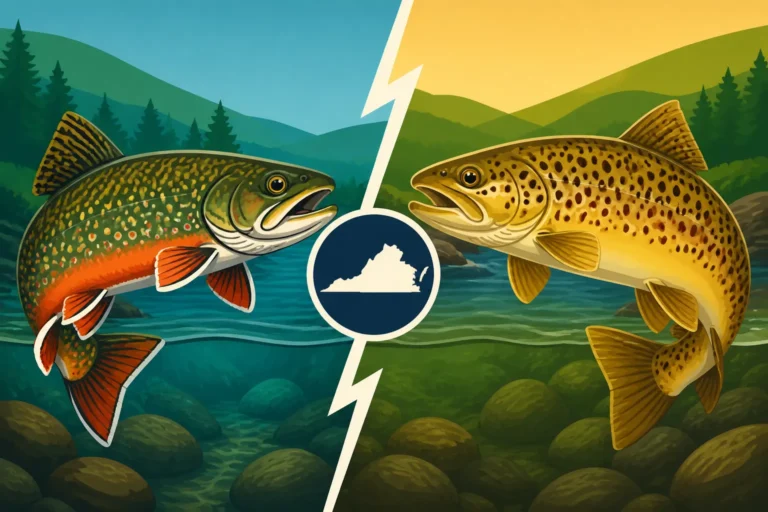
Brook trout are Virginia's only native trout species, often found in the coldest, clearest headwater streams. Their vibrant colors – olive green backs with worm-like markings, red spots surrounded by blue halos, and white-edged fins – make them truly stunning. Catching a native "brookie" in its natural mountain home is a bucket-list experience for many. Rainbow trout are probably the most recognized, known for their iridescent stripe along their sides and their acrobatic fights when hooked. They thrive in a wide range of water conditions and are the most common species stocked in Virginia. Brown trout, introduced from Europe, are renowned for their cunning and larger size potential. They can be incredibly wary, often preferring to hide under undercut banks or submerged logs, and their golden-brown bodies with dark spots make them masters of camouflage. Understanding their habits can drastically improve your chances, and you can learn more in Trout Fishing in Virginia: Rainbow, Brown, and Brook Trout.
Virginia's Premier Fly Fishing Destinations for Trout
Virginia boasts an impressive array of streams and rivers that are absolute havens for fly fishing enthusiasts seeking trout. While some are famous and draw crowds, others offer solitude and untouched beauty. Depending on whether you crave a challenging wilderness experience or a more relaxed day with higher catch rates, Virginia has a stream for you.
Shenandoah Valley's Legendary Wild Trout Fisheries
The Shenandoah Valley, with its stunning mountain backdrops, holds some of Virginia's most revered wild trout waters. These streams are a testament to successful conservation efforts and offer a truly immersive experience for the dedicated angler.
One of the crown jewels is the Rapidan River, located in the Shenandoah National Park. This stream is strictly catch-and-release with artificial lures only, preserving its incredible population of native brook trout. Access often requires a hike, but the reward is pristine water, breathtaking scenery, and the chance to cast to truly wild fish. It's a place where you can feel a deep connection to nature. Another gem in the park is Big Run, known for its healthy population of brook trout and challenging terrain. These small, intimate streams demand accurate casting and stealthy approaches, but the experience of landing a vividly colored brook trout makes every effort worthwhile. For those new to these wild waters, a small, lighter rod (like a 2 or 3 weight) and delicate presentations are key.
Southwest Virginia's Mountain Trout Treasures
Heading southwest, the mountains of Virginia unveil another set of incredible fly fishing opportunities, particularly for those seeking a mix of wild and stocked trout in stunning settings. This region is a paradise for anglers who appreciate rugged beauty and diverse fisheries.
The Whitetop Laurel Creek near Damascus is often considered one of the finest wild trout streams in the state, offering fantastic opportunities for rainbow and brown trout, with a healthy population of native brook trout in its upper reaches. It's a freestone stream that offers diverse conditions, from riffles and runs to deep pools. The Virginia Creeper Trail often runs alongside parts of it, providing relatively easy access to certain sections, while other parts require a bit more bushwhacking. It's truly a place where you can spend days exploring. Another excellent option is the Jackson River, particularly its Delayed Harvest section below Gathright Dam. This section is managed specifically for trophy trout, stocked heavily with large rainbows and browns, and operates under special regulations (catch-and-release, artificial lures only) for much of the year. This provides a fantastic opportunity for anglers to target larger fish in a managed, high-quality fishery. The Jackson River is wide and offers diverse water, making it suitable for both wade fishing and drift boating. You'll want to be prepared for the specific rules, which you can learn more about in Wild Trout Stream Rules in Virginia.
Here's a quick comparison of some notable Virginia trout streams:
| Stream Name | Primary Trout Species | Type of Water | Accessibility | Special Regulations | Notes |
|---|---|---|---|---|---|
| Rapidan River | Brook | Wild | Moderate (hike) | C&R, Artificial Lures Only | Iconic native brook trout fishery |
| Big Run | Brook | Wild | Moderate (hike) | C&R, Artificial Lures Only | Secluded, challenging, rewarding |
| Whitetop Laurel Creek | Rainbow, Brown, Brook | Wild/Mixed | Easy to Moderate | Varies by section | Diverse freestone, beautiful scenery |
| Jackson River | Rainbow, Brown (stocked/wild) | Managed/Stocked | Easy to Moderate | C&R, Artificial Lures (DH) | Trophy trout, consistent action, wide river |
| Shenandoah River (Upper) | Smallmouth Bass, but lower sections can hold trout | Tailwater (some) | Easy | General Regulations | Not primarily a trout stream, but some tributaries feed it |
Note: Always check current DWR regulations before fishing, as rules can change seasonally or by section.
Essential Gear and Techniques for Virginia Trout Fishing
Stepping onto a trout stream with the right gear and a solid understanding of basic techniques can make all the difference between a frustrating day and a memorable one. Fly fishing might seem intimidating at first, but with a bit of practice and the right tools, you'll be casting like a pro in no time.
Rods, Reels, Lines, and Leaders
For most Virginia trout fishing, a 7'6" to 9' fly rod in a 3 to 5 weight is a versatile choice. A 3-weight is ideal for delicate presentations on smaller wild trout streams, while a 5-weight offers more backbone for larger flies, wind, and bigger fish on rivers like the Jackson. You can often find excellent starter kits that include a rod, reel, line, and leader bundled together, which can be a great value for beginners. Many reputable brands offer these kits, and you can easily explore options on Amazon to see what fits your budget and needs.
Your fly reel primarily serves to hold your line and provide drag for fighting larger fish; for trout, it doesn't need to be overly complex or expensive. A basic disc drag system is usually sufficient. The fly line should match your rod weight (e.g., a 5-weight line for a 5-weight rod). A weight-forward floating line is the most common and versatile choice for trout. Finally, your leader and tippet are crucial. The leader is a tapered piece of monofilament or fluorocarbon that connects your fly line to your tippet, which in turn connects to your fly. A typical 9-foot tapered leader ending in 5X or 6X tippet is a good starting point for trout. Don't be afraid to carry extra tippet spools of various sizes; you'll be re-tying and adjusting often! You can always stock up on these essentials on Amazon before your trip.
Key Fly Patterns and When to Use Them
Matching the hatch – or at least presenting something similar to what the fish are eating – is a cornerstone of fly fishing. While specific hatches vary throughout the year, a basic collection of flies will cover most situations in Virginia.
For dry flies (flies that float on the surface), classic patterns like Elk Hair Caddis, Adams, Parachute Adams, and various stimulators in sizes 12-18 are essential. These imitate adult insects that have landed on the water. Early mornings, evenings, and overcast days are prime times for dry fly action. When fish are actively rising and you see insects on the water, try to "match the hatch" as closely as possible.
Nymphs (flies that imitate aquatic insect larvae and pupae) are often the most productive flies because trout do most of their feeding subsurface. Popular choices include Pheasant Tail Nymphs, Hare's Ear Nymphs, Prince Nymphs, and Squirmy Wormies in sizes 12-20. Fishing nymphs often involves adding a small strike indicator to detect subtle bites and perhaps a split shot to get the fly down to the fish's feeding zone. The Best Fly Patterns for Trout in Spring article can offer more specific advice.
Finally, streamers (flies that imitate baitfish or larger aquatic creatures) can be incredibly effective for enticing larger, more aggressive trout, especially brown trout. Woolly Buggers (in black, olive, or brown) in sizes 6-10 are a must-have. Strip these flies with erratic movements to mimic a fleeing baitfish. Many fly shops and online retailers like Amazon offer curated fly assortments, which can be a great way to start building your collection.
Regulations, Conservation, and Responsible Angling
Being a responsible angler goes beyond just catching fish; it involves understanding and adhering to regulations, practicing ethical angling, and contributing to the conservation of Virginia's precious trout resources.
Licensing Requirements and Catch Limits
Before you even think about stepping into a Virginia trout stream, you need a valid Virginia fishing license. Most trout waters also require an additional Virginia Trout License stamp, which helps fund the DWR's trout stocking and management programs. There are specific rules for Stocked Trout License Requirements in Virginia, and it's always best to be prepared. For residents and non-residents alike, these licenses are easily obtainable online through the DWR website or from authorized vendors.
Catch limits and size restrictions vary significantly by stream and by specific sections of a stream. Wild trout waters, especially those within national forests or designated special regulation areas, are often catch-and-release only and may require the use of single-hook artificial lures. Other streams, particularly those that are heavily stocked, may have daily creel limits (e.g., 6 trout per day) and minimum size limits. Always check the current Virginia DWR fishing regulations guide before heading out, as these rules are regularly updated to protect fish populations. Ignorance of the law is no excuse, and wardens do patrol these waters.
Practicing Ethical Catch and Release
For many fly anglers, the joy of trout fishing lies in the pursuit and the release, especially in wild trout fisheries. Practicing ethical catch and release is vital for the health of the fish and the sustainability of the fishery.
Here are some key principles: always use barbless hooks or pinch down the barbs on your hooks. This makes hook removal much easier and less damaging to the fish. When you land a fish, try to keep it in the water as much as possible. If you need to handle it, wet your hands first to protect the fish's protective slime coat, which guards against disease. Avoid squeezing the fish, especially around its internal organs. Use a pair of forceps or a hook remover to quickly and gently remove the hook. If the fish is deeply hooked, it's often best to cut the line as close to the hook as possible rather than tearing its throat trying to remove it. Finally, when releasing, hold the fish gently in the water, facing upstream, until it revives and swims away under its own power. Don't simply toss it back; give it time to recover its strength.
By respecting the regulations and practicing responsible angling, we can all do our part to ensure that Virginia's best trout streams remain vibrant and productive for generations of fly fishermen to come. Happy fishing!
Disclaimer
This article is for general informational purposes only and does not constitute professional advice. Laws, prices and regulations vary by location and change over time. Consult a qualified professional for guidance on your specific situation.