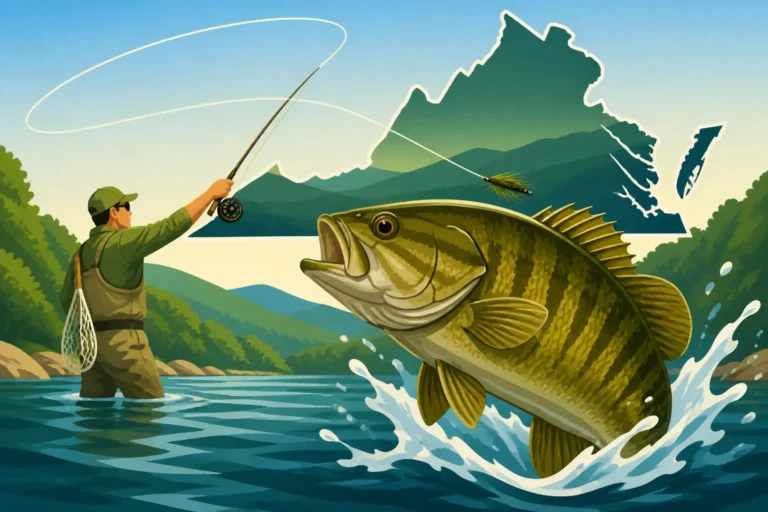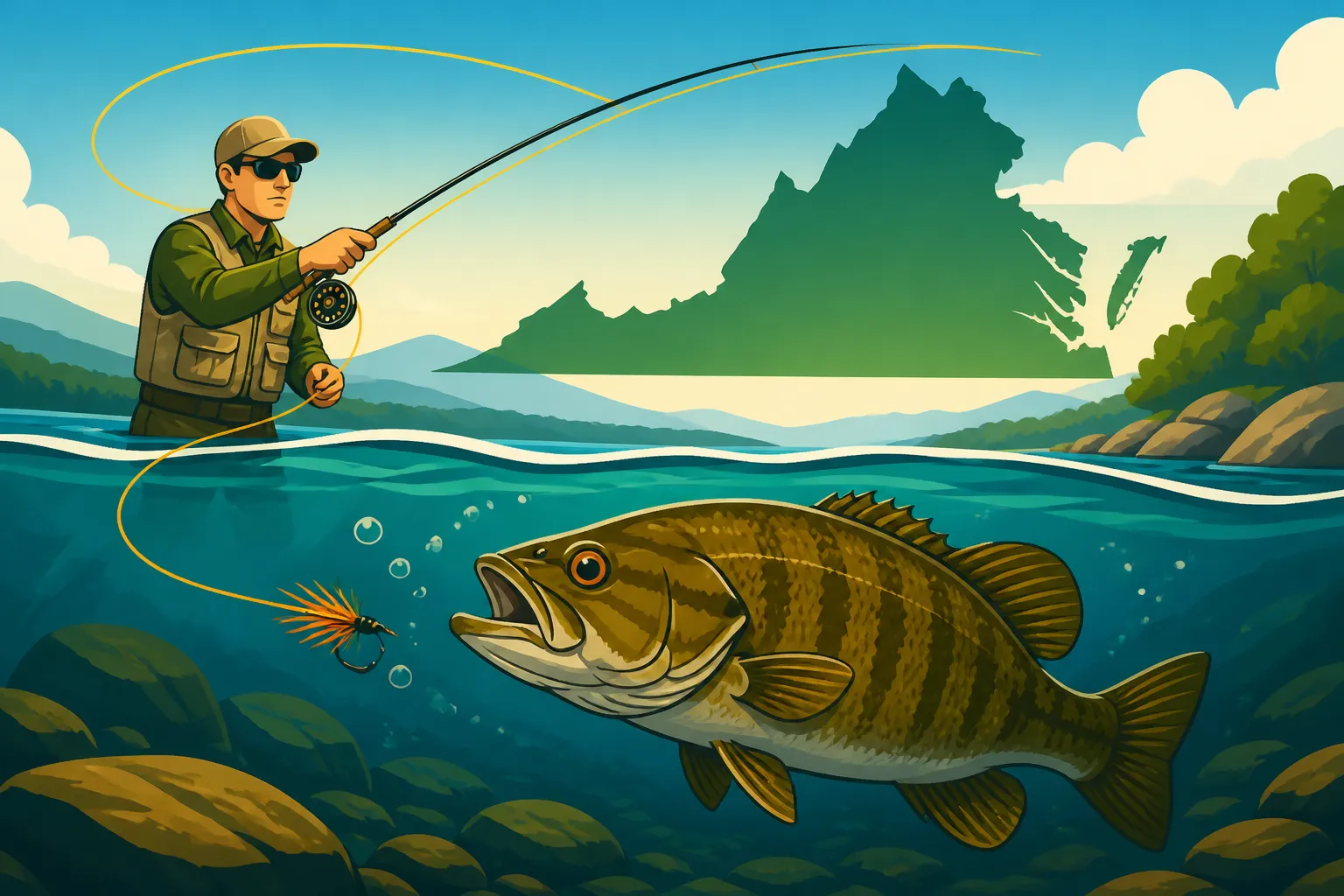
How to Fly Fish for Smallmouth Bass
Many anglers, especially those new to fly fishing, often feel overwhelmed by the thought of tackling rivers for smallmouth bass. It’s a common misconception that fly fishing is exclusively for trout in pristine mountain streams, leaving many to wonder if their beloved smallmouth can truly be caught on a fly rod. This guide is here to unravel that mystery and show you exactly how to approach, equip, and conquer Virginia's fantastic smallmouth bass fisheries with nothing but a fly rod in hand.
Understanding Smallmouth Bass Behavior for Fly Anglers
Successfully fly fishing for smallmouth bass in Virginia isn't just about casting a line; it's about understanding the fish itself. Smallmouth are incredible fighters, often described as "bronzebacks" for their iridescent coloring and "river smallies" because they thrive in moving water. Knowing where they live and what makes them tick seasonally will give you a tremendous advantage.
Where to Find Smallmouth Bass in Virginia's Rivers
Smallmouth bass are structure-oriented creatures, meaning they love to hide and ambush their prey around anything that offers cover or breaks the current. Think like a smallmouth: where would you wait for an easy meal to drift by without expending too much energy? In Virginia, our rivers like the Shenandoah and the James River are prime smallmouth habitat, full of these perfect hiding spots.
You'll often find smallmouth in current seams, which are the lines where fast water meets slow water. These are natural buffet lines. Look for them holding behind large rocks, submerged logs, or even subtle changes in the riverbed. Riffles and rapids, while intimidating, often have deeper pockets or eddies directly behind them where smallmouth will stage. During lower, clearer water, they might be tucked into the shady side of a bank or under overhanging trees. It's all about observing the water and identifying potential ambush points. Don't be afraid to read the water and explore different types of habitat.
Seasonal Movements and Feeding Patterns
Just like us, smallmouth bass change their routines with the seasons, and understanding these shifts is crucial for any fly angler. Their metabolism, activity levels, and preferred locations are heavily influenced by water temperature and available forage. If you want to know the Best Time of Year for Bass Fishing in Virginia, you'll need to think seasonally.
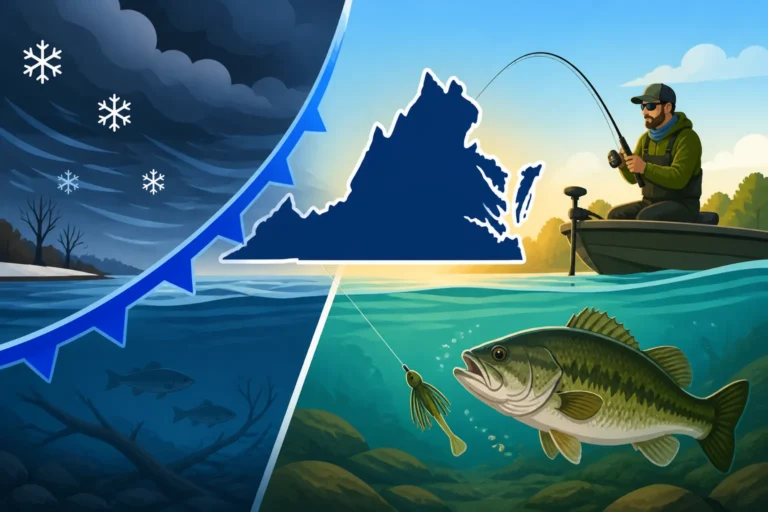
In spring, as the water begins to warm up (think 50-60 degrees Fahrenheit), smallmouth move from their deeper winter haunts into shallower, warmer water for their pre-spawn feeding frenzy. They're aggressive and looking to pack on calories. During the spawn itself, they'll be on nests in shallower, gravelly areas, often becoming very protective. Post-spawn, they might be a bit lethargic but soon resume active feeding. Summer sees them seeking out cooler, oxygenated water in deeper pools, current seams, or shaded areas, especially during the heat of the day. They'll often feed aggressively at dawn and dusk. As fall approaches and the water cools, smallmouth again enter a major feeding period, trying to fatten up for winter. They can be incredibly active, chasing baitfish relentlessly. In winter, with Water Temperature for Bass Fishing in Virginia dropping, their metabolism slows significantly, and they retreat to deeper, calmer pools, feeding only sporadically. Your presentation will need to be much slower and more deliberate during these colder months.
Essential Fly Fishing Gear for Smallmouth Bass
Once you understand where and when to find smallmouth, the next step is ensuring you have the right tools for the job. Fly fishing for smallmouth bass isn't quite the same as delicate trout fishing; these fish are feisty, and you need gear that can handle their powerful runs and headshakes in river currents.
Rod, Reel, and Line Selection
For smallmouth bass, you'll generally want a slightly heavier setup than you might use for trout. A 6-weight or 7-weight fly rod is often considered the sweet spot for most river smallmouth scenarios. If you're consistently casting larger, bulkier flies or fishing in windier conditions on bigger rivers like the James, an 8-weight might be more appropriate. These rods have enough backbone to cast big flies, fight strong fish, and handle moderate winds.
Pair your rod with a reliable reel that matches its weight. While smallmouth aren't usually long-running fish that strip a lot of line, you'll still want a smooth drag system. The real workhorse here is your fly line. A weight-forward (WF) line is essential, and many brands offer specific "bass taper" lines designed to turn over larger, air-resistant flies with ease. For your leader, a stout 7 to 9-foot tapered leader with a 0X to 2X tippet is a good starting point, providing enough strength to absorb the shock of a strike and resist abrasion against rocks. Always carry extra tippet material, easily found on Amazon, to replace sections that get nicked or to adjust for different fly sizes.
Must-Have Fly Patterns and Why They Work
The beauty of fly fishing for smallmouth is the sheer variety of flies you can use, mimicking everything from baitfish to crawfish to terrestrial insects. Having a diverse fly box is key, and you can stock up on these versatile patterns through reputable fishing suppliers or online retailers like Amazon. When you're learning How to Fly Fish for Smallmouth Bass, experimenting with different flies is part of the fun.
For topwater action, poppers and divers are absolute game-changers, especially in low light or warmer conditions. Think frog imitations, deer hair poppers, or hard-bodied poppers that create a commotion on the surface. Smallmouth love to explode on these flies. Subsurface streamers are your bread and butter for when fish are holding deeper or aren't keen on coming to the surface. Patterns like the Clouser Minnow, Woolly Bugger, and various articulated streamers mimic baitfish, which are a primary food source for smallmouth. Vary colors from olive and black to white and chartreuse. Don't forget crawfish imitations! Smallmouth absolutely gorge themselves on crawfish, so patterns like the Clouser Crayfish or NearNuff Crayfish can be incredibly effective when dragged along the bottom.
Key Fly Fishing Techniques for Smallmouth Bass
Having the right gear and understanding the fish gets you most of the way there, but putting it all together with effective techniques is where the real magic happens. Fly fishing for smallmouth in a river environment demands a blend of accuracy, presentation, and adaptability.
Casting and Presentation for River Environments
River fishing, especially for Smallmouth Bass Fishing on Virginia's Shenandoah River, means dealing with current, obstacles, and often limited casting space. Accuracy is often more important than distance. You want to place your fly precisely into current seams, behind rocks, or along undercut banks where smallmouth are likely to be hiding. Practice your roll casts for tight spots, and learn to mend your line effectively to control the drift of your fly. A good mend upstream will allow your fly to sink or drift naturally without the line dragging it unnaturally.
When targeting current seams or eddies, cast slightly upstream of your target and allow the fly to drift naturally into the strike zone. For topwater flies, a soft presentation is sometimes best, but other times a loud "splat" can draw an aggressive reaction. It all depends on the fish's mood. Don't neglect short, accurate casts to nearby structure; sometimes the biggest fish are holding just a few feet from where you're standing. Remember, the goal is to make your fly look like an easy meal that's naturally flowing or moving in the water.
Retrieving and Striking Strategies
Smallmouth are generally aggressive predators, but how you retrieve your fly can make all the difference. Unlike trout, which often prefer a dead drift, smallmouth frequently respond to a fly with some movement. When using streamers or crawfish patterns, experiment with varying retrieve speeds. Short, quick strips can mimic a darting baitfish, while longer, slower pulls with pauses can imitate a crawfish scuttling along the bottom. Twitching your rod tip can add subtle action to your fly, making it irresistible.
Striking for a smallmouth isn't usually a delicate affair. When you feel a tug or see your line twitch, set the hook with a firm strip strike rather than lifting the rod straight up. This ensures a solid hook-up and prevents slack in your line. Be ready for an immediate fight; smallmouth are known for their powerful initial runs and aerial acrobatics. Keep your rod tip low and to the side to maintain pressure and steer the fish away from snags. Don't forget that many anglers also appreciate the techniques for How to Catch Smallmouth Bass in Rivers with conventional gear, but fly fishing offers a unique challenge.
Advanced Tips and Common Challenges
Even with the right gear and basic techniques, fly fishing for smallmouth bass can throw some curveballs. Mastering this exciting pursuit means understanding how to read the river, approach your targets stealthily, and overcome common frustrations. It's about refining your skills and becoming a true river angler.
Reading the Water and Approaching Stealthily
Learning how to Read Water When Fly Fishing a River is perhaps the most critical skill for consistent success. Smallmouth are often found in predictable locations, but these spots aren't always obvious. Look for changes in current speed, depth, and bottom composition. Seams, eddies, pockets behind boulders, log jams, and undercut banks are all prime real estate. Observe the river flow, looking for places where baitfish might be pushed or where insects might accumulate.
Your approach is just as important as your cast. Smallmouth, especially in clear water, can be spooky. Wade quietly and deliberately, avoiding unnecessary splashes or crunching rocks. Use the sun to your advantage: if the sun is behind you, your shadow can spook fish. If it's in front, glare might hide you better. Wear drab, natural colors that blend with the surroundings. A good pair of polarized sunglasses, easily purchased from Amazon, will cut the glare off the water, allowing you to spot submerged structure and even cruising fish that would otherwise be invisible. This stealthy approach applies whether you're bank fishing or moving through the water in a kayak, aiming for those quieter pockets.
Dealing with Snags, Wind, and Other Obstacles
River fishing means snags are an inevitability. To minimize lost flies and frustration, always try to cast upstream of potential snags, allowing your fly to drift past them rather than directly into them. If you do get snagged, try flicking your rod tip or gently pulling the line from different angles to free the fly. Sometimes, wading closer or even using a "fly retriever" can save a favorite pattern. Strong winds can make casting larger flies a nightmare. When faced with wind, adjust your casting stroke, try a sidearm cast to keep the line lower to the water, or switch to a slightly heavier fly that cuts through the air better. This is especially true for Techniques for Smallmouth Bass in Current, where wind can have a double effect on your line.
Obstacles like overhanging trees or steep banks can limit your casting room. This is where mastering the roll cast or a simple flip cast becomes invaluable. Learn to position yourself so that you have the most open casting lane possible, even if it means wading a bit further. Don't be discouraged by these challenges; they are part of the river fishing experience. Each snag, each missed cast, is a learning opportunity that helps you become a more proficient and adaptable smallmouth angler. These are skills that are developed over many trips, so embrace the journey and enjoy the unique challenges of Fly Fishing for Trout and Smallmouth Bass on the Shenandoah River and other scenic waterways.
| Fly Type | Description & When to Use | Ideal Conditions | Retrieve Strategy |
|---|---|---|---|
| Poppers | Imitate frogs, injured baitfish, or large insects. Best when smallmouth are looking up and active. | Low light (dawn/dusk), calm water, warmer temperatures. | Pop-pause, pop-pop-pause. Vary intensity. Allow ample pause between pops. |
| Streamers | Mimic baitfish like minnows or shad. Effective year-round, especially when fish are deeper or aggressive. | Any conditions, especially cloudy water or moderate current. | Strip-strip-pause, erratic strips, dead drift in current seams. |
| Crawfish Patterns | Imitate crayfish, a primary food source for smallmouth. Best dragged or bounced along the bottom. | Rocky bottoms, clearer water, around structure. | Slow crawl, short hops, long pauses. Occasional twitch. |
| Diver Flies | Designed to push water and dive slightly subsurface, mimicking a wounded baitfish or struggling insect. | Moderate current, around structure, clear to stained water. | Short, sharp strips to make them dive, then pause to let them rise. |
| Terrestrial Patterns | Represent grasshoppers, crickets, or cicadas that fall into the water. Great for summer and early fall. | Overhanging vegetation, calm pools, sunny days. | Dead drift with occasional twitch to simulate struggle. |
Fly fishing for smallmouth bass offers an incredibly rewarding experience, blending the art of fly casting with the thrill of battling one of Virginia's hardest-fighting freshwater fish. It's a journey of learning, adapting, and connecting with the beautiful rivers that define our landscape. So grab your rod, tie on a trusty popper or streamer, and go chase some bronze! You'll find the effort more than worth it.
Disclaimer
This article is for general informational purposes only and does not constitute professional advice. Laws, prices and regulations vary by location and change over time. Consult a qualified professional for guidance on your specific situation.