Best Fishing Spots Near Richmond, Virginia
It can feel like a real challenge to escape the hustle and bustle of city life when you're craving some peace and quiet with a fishing rod in hand. For those of us living in or visiting Richmond, Virginia, finding that perfect fishing spot without driving for hours sometimes feels impossible. But don't you worry, because Richmond is actually surrounded by some fantastic fishing opportunities, both freshwater and tidal, just waiting for you. This guide will help you uncover the best local waters and provide practical advice for your next angling adventure.
The Mighty James River: Richmond's Angling Backbone
The James River is more than just a scenic waterway; it's a vibrant fishery that runs right through the heart of Richmond. What makes the James so special is its incredible diversity, offering everything from hard-fighting smallmouth and largemouth bass to monster catfish, and even migratory striped bass closer to the Chesapeake Bay. This river truly has something for every type of angler, whether you prefer casting from the bank or taking a boat out on the water.
Freshwater Opportunities on the Upper James
Upstream from the fall line, which is generally considered around the Belle Isle area, the James River transitions into a classic riverine freshwater environment. Here, you're primarily targeting smallmouth bass, which are renowned for their aggressive strikes and acrobatic fights. The rocky bottom and swift currents create ideal habitats for these bronzebacks, especially during the spring and fall months. Anglers often wade these sections, particularly around areas like Pony Pasture Rapids Park, casting small crankbaits, jigs, or soft plastics. It's a fantastic spot for fly fishermen too, looking to present poppers or streamers to eager smallmouth.
Further upstream, as the river widens and the current slows a bit, you'll find more largemouth bass mixed in, particularly in slacker water and around submerged timber. This section requires a keen eye for structure and understanding how current dictates fish location. Fishing from a kayak or canoe is a popular way to explore these stretches, giving you access to secluded pockets that bank anglers can't reach. Remember, even though it's technically freshwater, always check the current regulations for the specific section you're fishing, as rules can change depending on species and location. If you’re planning a trip, be sure to check out some of the best smallmouth bass spots on the James River, Virginia.
Tidal Influence and Catfish Havens Below the Fall Line
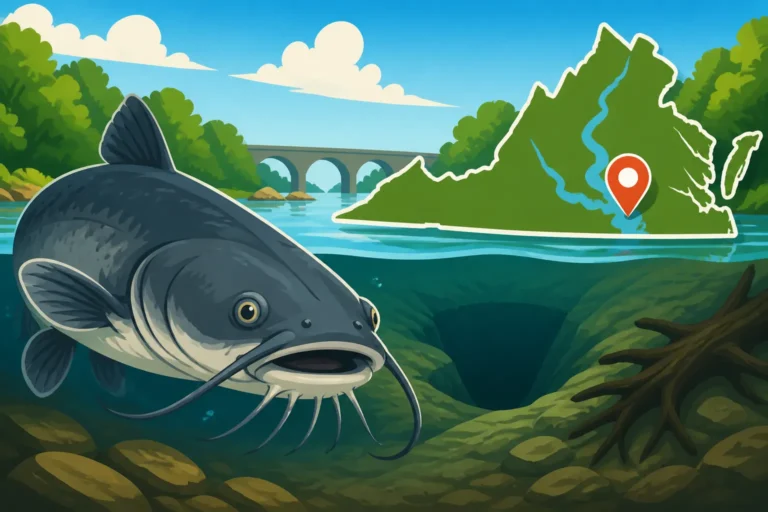
Once you pass the fall line in Richmond, the James River becomes tidal, meaning its water levels are influenced by the ebb and flow of the ocean. This section of the river is famous, and I mean famous, for its colossal flathead and blue catfish. We're talking about fish that can easily top 50, 60, or even 100 pounds! It's an incredible experience to hook into one of these freshwater leviathans. Popular spots for targeting these giants include Ancarrow's Landing and the deep holes near the I-95 bridge. For those serious about chasing these big cats, cut bait (like shad or mullet) fished on heavy tackle is the go-to method.
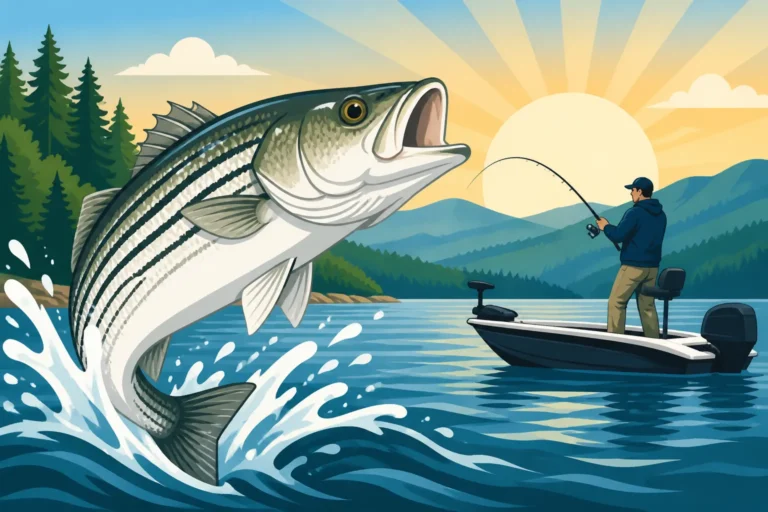
Beyond the catfish, the tidal James also offers excellent opportunities for largemouth bass, particularly in the numerous creeks and backwaters that feed into the main river, such as the Chickahominy River. These areas are rich in submerged vegetation and offer protection from the main river's current. Closer to the Chesapeake Bay, you might even encounter striped bass (often called rockfish), especially during their migratory runs in spring and fall. These fish can be a real thrill on light tackle, though their seasons and slot limits are strictly enforced. For those wondering, the James River also boasts some of the best catfish holes on the James River.
Accessible Lakes and Ponds for Every Angler
While the James River is undeniably the star, Richmond is also surrounded by numerous smaller lakes and ponds that provide excellent, often more convenient, fishing opportunities. These spots are fantastic for a quick evening trip, a family outing, or when you just want to get away from the river's currents and enjoy some calmer water. You don't always need a boat either, as many of these locations offer fantastic bank access.
State Parks and Public Lakes
Virginia's state parks are a treasure trove for anglers, and several are within a reasonable drive of Richmond. For instance, Pocahontas State Park in Chesterfield offers three lakes – Swift Creek Lake, Beaver Lake, and Bright Hope Lake – all stocked with a variety of species. Swift Creek Lake is particularly popular for largemouth bass, crappie, and sunfish. You can rent jon boats or kayaks right at the park, making it super accessible even if you don't own your own watercraft. The ease of access and well-maintained facilities make these parks ideal for family-friendly fishing spots in Virginia.
Another excellent option is Powhatan State Park, a bit further west, which boasts excellent access to the James River itself, but also has its own ponds. These ponds are often stocked and provide a quieter fishing experience, perfect for kids or beginners looking to catch panfish like bluegill and shellcrackers. The fishing pier and bank access make it easy to get a line in the water. Remember that these parks often have entrance fees, but the peaceful environment and diverse fishing opportunities are well worth it. You can explore more about Virginia's best freshwater fishing destinations if you're looking for other great options.
Community Ponds and Local Haunts
Beyond the state parks, there are countless smaller community ponds and local lakes scattered throughout the Richmond metro area. While some are privately owned or restricted, many offer public access. For example, some municipal parks have small ponds that are periodically stocked with catfish or trout, providing great opportunities, especially during designated stocking seasons. These smaller bodies of water often hold surprisingly good populations of largemouth bass and various panfish.
A great tip for finding these hidden gems is to check local government recreation websites or even ask around at local tackle shops. They often have the inside scoop on which smaller ponds are fishing well. Just be aware that some of these smaller spots might not have extensive facilities, so it's always a good idea to bring everything you need. These can be perfect for shore fishing access points in Virginia, especially for a quick trip after work.
Mastering Tidal River Fishing: James, Appomattox, and Chickahominy
Richmond's location near the confluence of several tidal rivers means anglers have exceptional access to a unique blend of freshwater and saltwater species. These tidal rivers, including the James, Appomattox, and Chickahominy, offer dynamic fishing conditions that change with the tides, bringing in new opportunities and challenges. Understanding these waters is key to consistent success.
Exploring the Lower James and its Tributaries
As you move further downstream on the James River, especially below Hopewell, the tidal influence becomes even more pronounced. This section is a prime target for striped bass during their seasonal migrations. During the spring and fall runs, anglers flock to these waters hoping to catch these powerful fish. Live bait, like spot or menhaden, is often the most effective method, but artificial lures such as bucktails and soft plastic swimbaits also produce. It's crucial to be aware of the strict slot limits and seasons for striped bass, as regulations are in place to protect these valuable populations. This area is also excellent for flounder, croaker, and even red drum closer to the mouth of the Bay.
The Chickahominy River, a major tributary of the James, is another fantastic tidal option. Known for its extensive marshy areas and cypress trees, the "Chick" is a largemouth bass paradise. Its rich habitat supports a healthy population of big bass, and anglers often target them with spinnerbaits, topwater lures, and plastic worms around lily pads and submerged wood. The river also holds good numbers of crappie and pickerel, making it a diverse fishery. Boat access is plentiful, with ramps available at various points along the river.
The Appomattox River's Hidden Gems
Just south of Richmond, the Appomattox River offers another incredible tidal fishing experience before it merges with the James River. Like the lower James, it's known for its robust populations of catfish, particularly blue cats, which can reach impressive sizes. The river also offers excellent largemouth bass fishing, especially in its quieter backwater areas and oxbow lakes. Anglers often find success by targeting structure such as fallen trees, docks, and bridge pilings.
During certain times of the year, species like white perch and crappie can also be found in abundance, providing steady action for anglers of all skill levels. The Appomattox is generally less crowded than the main stem of the James, offering a more peaceful angling experience. Access points like the popular Hopewell City Marina or various public boat ramps provide convenient entry to these productive waters. For those interested, the FishingBooker website often lists guides who specialize in these tidal river species, offering a chance to learn the ropes from a local expert.
Planning Your Richmond Fishing Trip
Getting ready for a fishing trip near Richmond involves a little planning, but it's totally worth it to ensure a smooth and enjoyable day on the water. Beyond just picking a spot, thinking about what you need to bring and the local rules will make your experience much better. Nobody wants to get out there only to realize they forgot something crucial or are breaking a rule they didn't know about!
Essential Gear and Bait Considerations
What you bring largely depends on where you're headed and what you're trying to catch. For smallmouth bass in the upper James River, lighter spinning gear or a fly rod with a selection of small crankbaits, jigs, or streamers will serve you well. If you're chasing those monster catfish in the tidal James or Appomattox, you'll need heavy-duty rods and reels, strong line, and a good supply of fresh cut bait – gizzard shad or sunfish are popular choices. For largemouth bass in the Chickahominy or state park lakes, a medium-heavy baitcasting or spinning setup with a variety of plastics, spinnerbaits, and topwater lures is ideal.
Don't forget the basics: a landing net, pliers, a tackle box stocked with hooks, weights, and leaders, and sun protection (hat, sunglasses, sunscreen). A cooler with drinks and snacks is always a good idea, especially on hot Virginia days. For those who prefer the convenience of finding everything in one place, you can often find a wide array of local tackle shops near Richmond that can set you up with the right gear and the freshest bait for your chosen destination.
Navigating Licenses and Regulations
This is super important, folks! Virginia has specific requirements for fishing licenses, and they vary depending on whether you're fishing in freshwater or saltwater, and whether you're a resident or non-resident. Generally, if you're fishing the tidal portions of the James, Appomattox, or Chickahominy, you might need a saltwater license or a combination license, especially if you're targeting species like striped bass or flounder. However, for strictly freshwater lakes and upstream sections of the rivers, a freshwater license is sufficient. Children under 16 typically don't need a license, but it's always best to double-check.
It's also vital to be aware of catch limits, size restrictions, and seasons for specific species. These regulations are designed to protect fish populations and ensure good fishing for years to come. For example, striped bass (rockfish) have very specific slot limits and open seasons that change. The Virginia Department of Wildlife Resources (DWR) website is your go-to resource for the most up-to-date information. Ignorance of the law is no excuse, and wardens do patrol these waters. You can find out more about how to get a fishing license in Virginia or explore a complete guide to fishing licenses in Virginia to make sure you're properly equipped.
Comparing Richmond's Top Fishing Waters
To help you decide where to cast your line, here's a quick comparison of some of the best fishing spots near Richmond:
| Fishing Spot | Primary Fish Species Targeted | Best For | Accessibility | Boat Access |
|---|---|---|---|---|
| Upper James River | Smallmouth Bass, Largemouth Bass, Catfish | Wade fishing, Kayak/Canoe, Fly Fishing | Bank access at parks (Pony Pasture), limited ramps | Yes (small) |
| Tidal James River | Blue Catfish, Flathead Catfish, Striped Bass, Largemouth Bass | Trophy Catfish, Diverse Tidal Angling | Various public ramps (Ancarrow's), bank fishing | Yes (all) |
| Chickahominy River | Largemouth Bass, Crappie, Pickerel | Bass enthusiasts, Backwater exploration | Numerous public and private ramps | Yes (all) |
| Appomattox River | Blue Catfish, Largemouth Bass, White Perch | Quieter angling, Large Catfish | Public ramps (Hopewell), some bank access | Yes (all) |
| Pocahontas State Park Lakes | Largemouth Bass, Crappie, Sunfish | Family trips, Beginner-friendly, Calm water | Excellent bank access, rental boats available | Yes (small) |
| Powhatan State Park Ponds | Panfish, Catfish, Stocked Trout (seasonal) | Kids fishing, Easy bank access, Quiet | Excellent bank access, fishing piers | Limited |
Each of these locations offers a unique fishing experience, catering to different skill levels and preferences. Whether you're chasing the thrill of a giant blue cat or teaching a child to cast for bluegill, Richmond's diverse waters have you covered. Before heading out, it's always a good idea to check local fishing reports or even consult a local guide via resources like FishingBooker to get the most current information on what's biting.
Disclaimer
Fishing conditions and regulations can change frequently. Always consult the official Virginia Department of Wildlife Resources (DWR) website or local authorities for the most up-to-date information on licenses, seasons, and catch limits before heading out on your fishing trip. This guide is for informational purposes only.