Do you need a fishing license for crabbing?
It’s a question that trips up a lot of folks venturing out onto Virginia’s beautiful waterways and coastlines: do you need a specific fishing license to go crabbing? You’re not alone if you’ve scratched your head over this. Many assume that anything involving pulling marine life from the water requires the same paperwork, but the truth in Virginia is a little more nuanced, depending on how you plan to crab. This guide is here to untangle those regulations, so you can focus on catching some delicious blue crabs!
Distinguishing Between Fishing and Crabbing Regulations in Virginia
Virginia's Department of Wildlife Resources (DWR) and the Virginia Marine Resources Commission (VMRC) have specific regulations for harvesting different types of aquatic life. This is where the confusion often begins. A "fishing license" typically refers to the permit required to catch finfish – species with fins and gills like bass, trout, or striped bass. Crabs, being shellfish, sometimes fall under slightly different rules, though a general saltwater recreational fishing license can cover certain crabbing methods.
Think of it this way: the state wants to manage all its natural resources sustainably, whether it's the thriving populations of largemouth bass in our lakes or the iconic blue crabs in the Chesapeake Bay. To do that effectively, they have specific rules for different species and different methods of harvest. It’s not about making things complicated for you, the angler or crabber, but about ensuring these resources are around for generations to come. Many people assume a blanket license covers everything, but that's not always the case, especially when you're crossing the line from finfish to shellfish.
The key takeaway here is that while your standard Virginia fishing license guide will tell you all about catching fish, crabbing has its own set of rules that might, or might not, overlap with a general fishing license. You really need to dive into the specific crabbing regulations to be sure you're legal. It’s a common frustration to have to navigate two different sets of rules, but understanding this distinction is the first step to a hassle-free crabbing trip.
Recreational Crabbing Methods and Associated Permits
The kind of license or permit you need for recreational crabbing in Virginia largely depends on the method you choose to employ. Virginia offers a few popular ways for folks to catch blue crabs, each with its own specific guidelines. Understanding these will help you figure out if your existing license covers it, or if you need to acquire something extra.
Crabbing with Handlines and Dip Nets
This is often the simplest and most accessible form of crabbing, especially popular for families and beginners. If you're planning on using just a handline (a piece of string with bait attached, lowered into the water) or a small dip net to catch crabs for personal consumption, the good news is that you generally do not need a specific crabbing license or even a recreational saltwater fishing license for this method.
However, there's a crucial caveat: you're typically limited to catching one bushel of crabs per person per day using these methods. This is to ensure that commercial crabbers aren't undercut and that the resource isn't overfished by recreational means. This makes handlining and dip-netting a fantastic, low-cost way to introduce kids to the joys of the water and harvesting their own food. Imagine a warm summer afternoon at a local pier or dock, a bucket full of chicken necks, and the excitement of pulling up a feisty blue crab. It's an experience that truly embodies the spirit of Virginia fishing. While it doesn't require a license, you still need to be aware of the daily catch limits and size restrictions, which we'll cover shortly. These rules are part of the broader Virginia fishing rules every angler should know, even if you're targeting crabs.
Using a Trotline for Crabs
Now, if you're stepping up your crabbing game and planning to use a trotline, the rules change a bit. A trotline is a long line (typically up to 300 feet for recreational use in Virginia) set with bait at regular intervals, often retrieved by boat. This method allows for catching more crabs more efficiently than handlining, and as such, it comes with more stringent requirements.
For recreational crabbing with a trotline in Virginia, you will need a valid Virginia recreational saltwater fishing license. This isn't a separate "crabbing license," but rather the same license you'd need to catch finfish in saltwater. If you're a resident, this might be your standard Virginia resident saltwater fishing license cost. Non-residents might opt for something like Virginia's 10-day saltwater fishing license if they're just visiting for a short period. This license covers the privilege of using a trotline. The trotline itself must also adhere to specific regulations, such as marking requirements and restrictions on where and when it can be set. For instance, each end of the trotline must be marked with a white buoy, at least six inches in diameter, bearing the license holder's name and customer ID number. You can find excellent trotline setups and accessories on platforms like Amazon, making it convenient to gear up for your crabbing adventure. Just remember to check the DWR or VMRC website for the latest regulations before you head out, as rules can occasionally be updated.
Recreational Crab Pots
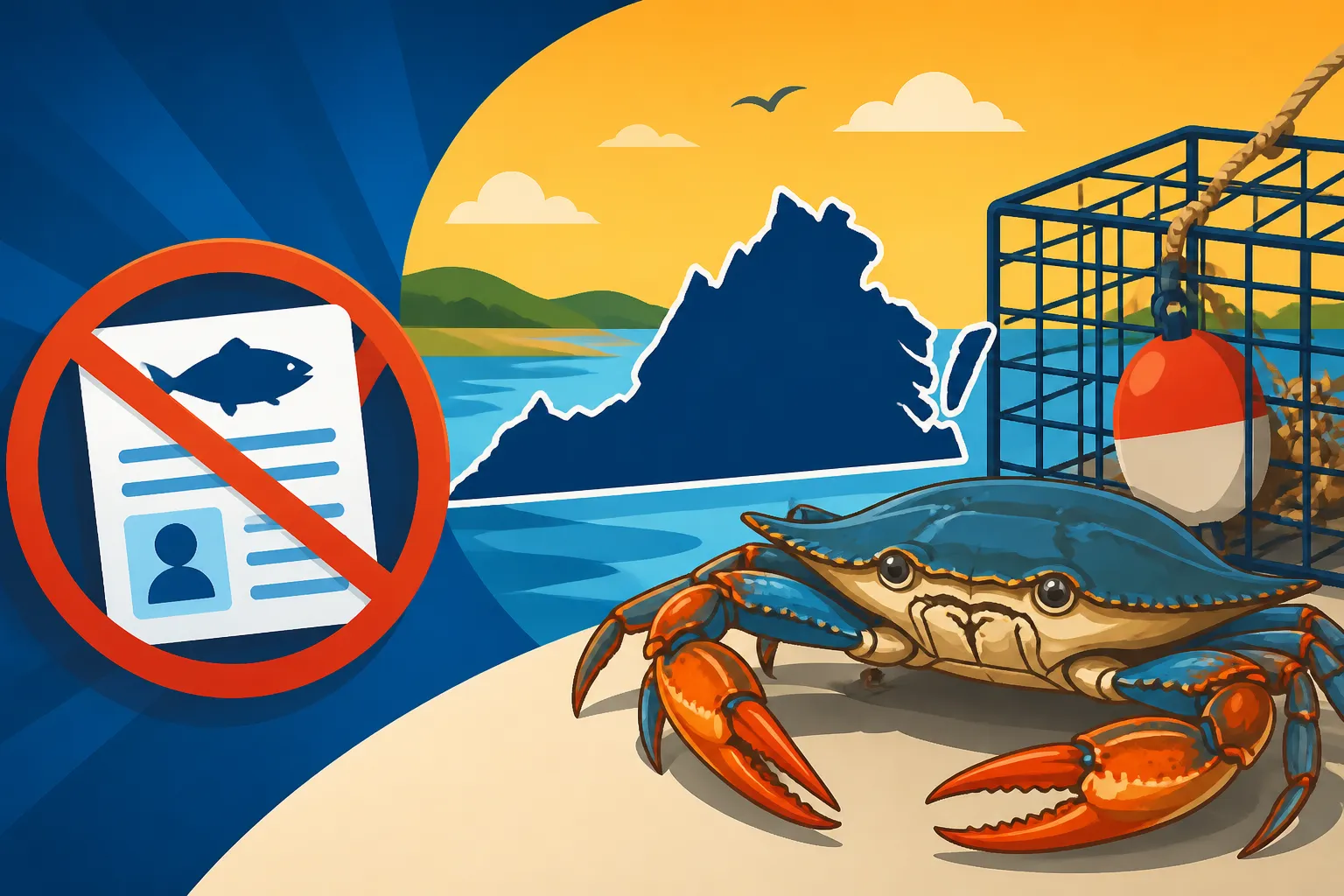
For those who prefer a more passive crabbing approach, recreational crab pots are an option, but they come with the most specific and distinct permit requirements. A crab pot is a wire cage designed to trap crabs, and using them recreationally in Virginia requires a separate recreational crab pot permit. This is definitively not covered by a standard fishing license.
This permit is issued by the Virginia Marine Resources Commission (VMRC) and comes with strict rules regarding the number of pots you can use (typically two per person), how they must be marked (again, with your name and customer ID number clearly visible on a float), and where they can be placed. There are also escape vents and biodegradable panels required to prevent ghost fishing if a pot is lost. These stringent regulations reflect the potential for unattended gear to cause problems for navigation, commercial fisheries, and the environment if not properly managed.
So, if you're dreaming of setting out a couple of pots near your dock or from your boat, remember that your fishing license won't cut it. You'll need to apply for that specific VMRC recreational crab pot permit. This distinction is vital because getting caught with an unmarked or unpermitted crab pot can lead to significant penalties, similar to penalties for fishing without a license in Virginia. It’s always better to be fully informed and properly licensed.
Catch Limits, Seasons, and Responsible Crabbing Practices
Beyond just knowing whether you need a license, understanding the "how much" and "when" of crabbing is equally crucial for a successful and legal outing. These regulations are in place to ensure the sustainability of Virginia's cherished blue crab population.
Daily Catch Limits and Size Restrictions
For recreational crabbing in Virginia, there are clear limits on how many crabs you can keep and how small they can be. Currently, the daily recreational limit for blue crabs is one bushel per person. A bushel is a volume measurement, and it’s a good amount of crabs, typically enough for a family feast! However, exceeding this limit, even by a few crabs, can land you in hot water with marine patrol.
Equally important are the size restrictions. Any hard-shell blue crab you keep must measure at least 5 inches across the carapace (the top shell), from tip to tip of the lateral spines. This minimum size limit allows younger crabs to grow and reproduce before being harvested, which is critical for the health of the crab population. There are also specific rules for peeler crabs (crabs about to shed their shells, highly prized for soft-shell crabs), which have a different minimum size of 3 to 5 inches, but these are typically harvested by commercial operations.
Always carry a ruler or a crab gauge with you when crabbing. It’s a small piece of gear that can save you a lot of trouble. You can easily pick one up from a local tackle shop or even on Amazon. Crabs that are undersized, or "sooks" (females bearing eggs, often identifiable by a dark sponge-like mass under their apron), must be immediately returned to the water unharmed. These rules are part of Virginia's fishing license and catch limit basics, designed to protect the resource.
Best Seasons for Crabbing in Virginia
Blue crabs are a seasonal delicacy, and their activity levels are heavily influenced by water temperature. In Virginia, the prime crabbing season typically runs from late spring through fall. As the water warms up, usually starting in April or May, crabs become more active, feeding heavily and moving into shallower waters. The peak crabbing months are generally May, June, July, August, and September.
During these warmer months, crabs are abundant and can be found in various environments, from brackish river mouths to the saltier waters of the Chesapeake Bay. As temperatures drop in late fall and winter, crabs become sluggish and burrow into the mud, making them much harder to catch. While you might still find a few crabs in October, the numbers significantly decline.
Knowing the best season helps you plan your trip for maximum success. A summer evening outing with handlines and dip nets can yield a great dinner, while a spring or early fall trip might be better for setting trotlines in search of larger, more active crabs. The availability of crabs is directly tied to their natural life cycle and environmental conditions, so timing your trip is almost as important as having the right gear.
Protecting the Resource and Avoiding Penalties
Responsible crabbing isn't just about following the letter of the law; it's about respecting the ecosystem and ensuring future generations can enjoy this resource. This means always adhering to catch limits, respecting size limits, and immediately releasing egg-bearing females (sooks). Returning sooks to the water is paramount for population replenishment.
Beyond these biological considerations, it’s vital to ensure all your gear is properly marked and retrieved. Lost crab pots or trotlines can become "ghost fishing" gear, continuing to catch crabs and other marine life indefinitely, which is harmful to the environment. If you’re using recreational crab pots, ensure they comply with all the VMRC's marking and escape vent requirements.
Ignoring these rules, whether related to licenses, permits, catch limits, or gear, can result in significant fines and legal consequences. Marine patrol officers are vigilant, especially during peak seasons. Getting caught with undersized crabs, over your limit, or using unpermitted gear can ruin your day and your wallet. These penalties are often comparable to those for fishing without a license, emphasizing the state's commitment to conservation across all its aquatic resources. Always double-check current Virginia fishing regulations explained on the official DWR or VMRC websites before you head out, as rules can change.
Where to Get Your Crabbing Permits (If Needed) and Essential Gear
Now that we've covered the "if" and "how" of crabbing licenses and permits, let's talk about the practicalities of obtaining them and what gear you'll need. Getting set up is straightforward once you know the right channels.
Purchasing Licenses and Permits
If your chosen crabbing method requires a Virginia recreational saltwater fishing license (for trotlines) or a recreational crab pot permit (for crab pots), you'll need to acquire these before you hit the water.
- Recreational Saltwater Fishing License: This can be purchased in several convenient ways. The quickest and easiest method for many is online through the Virginia Department of Wildlife Resources (DWR) website. You can purchase and print your license from the comfort of your home. Alternatively, you can visit one of the many authorized license agents located across the state. These agents include bait and tackle shops, sporting goods stores (like Dick's Sporting Goods or Bass Pro Shops), and even some convenience stores. You can usually find a list of these agents on the DWR website. For those who prefer traditional methods, you can also purchase by mail. A full guide on how to buy a fishing license online in Virginia provides detailed steps.
- Recreational Crab Pot Permit: This permit is managed by the Virginia Marine Resources Commission (VMRC). You'll typically need to apply for this directly through the VMRC's website or by visiting one of their offices. It's a specific permit that demonstrates your intent to use crab pots and your understanding of the regulations that come with them. This is distinct from a fishing license and ensures proper oversight of crab pot usage.
It’s important to remember that these licenses and permits are usually valid for a set period, often a year from the date of purchase. Always check the expiration date to ensure you're current. Knowing where to buy a Virginia fishing license and how to navigate the VMRC permit system is key to a legal and enjoyable crabbing experience.
Essential Crabbing Gear
Beyond the required licenses and permits, having the right gear will make your crabbing trip much more productive and enjoyable. The specific gear you need will, of course, depend on your chosen method.
- Handlining/Dip Net Crabbing:
- Handlines: Simple string with a weight and bait clip. Chicken necks or raw fish scraps are excellent baits.
- Dip Net: A sturdy net with a long handle for scooping up crabs you've attracted with handlines.
- Bucket/Cooler: To hold your catch. A cooler with ice is ideal for keeping crabs fresh.
- Crab Gauge/Ruler: Essential for measuring crabs to ensure they meet the minimum size limit.
- Gloves: Blue crabs are notoriously feisty and their claws can deliver a painful pinch! Thick gloves are highly recommended.
- Trotline Crabbing:
- Trotline: A length of line (up to 300 feet for recreational use) with baited snoods (short lines with bait) attached at intervals. Many pre-made trotlines are available, often complete with floats and weights. You can find a good selection of these on Amazon.
- Buoys: Two white buoys (at least 6 inches in diameter) marked with your name and customer ID number to mark each end of your trotline.
- Anchors/Weights: To secure the trotline to the bottom.
- Boat: While some brave souls try trotlining from shore in certain spots, a boat is generally necessary to deploy and retrieve a trotline effectively. Remember, if you're crabbing from a boat, you might also be asking yourself, "Do you need a license to fish from a boat?" The answer to that is usually no, not specifically for the boat, but you'll need the appropriate fishing or crabbing permits for the activity.
- Gloves, Crab Gauge, Cooler: Still essential for safety and compliance.
- Crab Pot Crabbing:
- Recreational Crab Pots: Wire cages designed to catch crabs. Ensure they have the required escape vents and biodegradable panels.
- Buoys: One white buoy marked with your name and customer ID number for each pot.
- Bait Clip/Box: To hold bait inside the pot (again, chicken necks or fish scraps work well).
- Anchor/Weight: To keep the pot in place.
- Rope: To connect the pot to the buoy.
- Gloves, Crab Gauge, Cooler: Always a good idea.
Having the right gear makes all the difference. Whether you're setting a trotline in the calm waters of a tidal river or simply trying your luck with a handline from a pier, being prepared ensures a more enjoyable and successful day on the water. For shore fishing access points, even crabbing from shore can be a fantastic way to spend the day, assuming you have the right gear and follow local regulations.
| Crabbing Method | License/Permit Required | Daily Limit | Minimum Size Limit (Hard Shell) | Key Gear |
|---|---|---|---|---|
| Handline & Dip Net | None (for personal use, one bushel or less) | 1 Bushel | 5 Inches | Handline, Dip Net, Bucket, Crab Gauge, Gloves |
| Trotline (Recreational) | VA Recreational Saltwater Fishing License | 1 Bushel | 5 Inches | Trotline (max 300ft), Buoys (marked), Boat, Anchors, Crab Gauge, Gloves |
| Crab Pots (Recreational) | VA Recreational Crab Pot Permit (from VMRC) | 1 Bushel | 5 Inches | Crab Pots (max 2 per person, marked, escape vents), Buoys (marked), Bait Clip, Rope, Crab Gauge, Gloves |
Disclaimer
The information provided in this guide is intended for general informational purposes only and does not constitute legal advice. Fishing and crabbing regulations in Virginia are subject to change and interpretation. It is the responsibility of each individual angler or crabber to consult the most current official regulations published by the Virginia Department of Wildlife Resources (DWR) and the Virginia Marine Resources Commission (VMRC) before engaging in any fishing or crabbing activity. Failure to comply with regulations can result in fines and penalties.