What happens if you get caught fishing without a license
It’s a scenario many of us dread: you’re enjoying a beautiful day casting lines, the sun is shining, and then you see a Virginia Department of Wildlife Resources (DWR) game warden approaching. Suddenly, your tranquil fishing trip is overshadowed by a nagging thought – “Do I have my license? Is it current?” Getting caught fishing without a valid license in Virginia can quickly turn a pleasant outing into a significant hassle, bringing with it a range of immediate and long-term consequences that most anglers would much rather avoid. This guide will meticulously break down what exactly happens if you find yourself in this situation, from the initial encounter to the legal penalties and how to ensure you're always properly licensed for your next adventure.
The Unwelcome Encounter: What Happens on the Water
Imagine the scene: you've found the perfect spot on the James River, the fish are biting, and you're feeling on top of the world. Then, a patrol boat pulls alongside, or a warden walks up from the bank. Your heart might sink a little, even if you're doing everything right. For those who aren't, this moment marks the beginning of a process that can be both frustrating and costly.
Initial Contact and License Verification
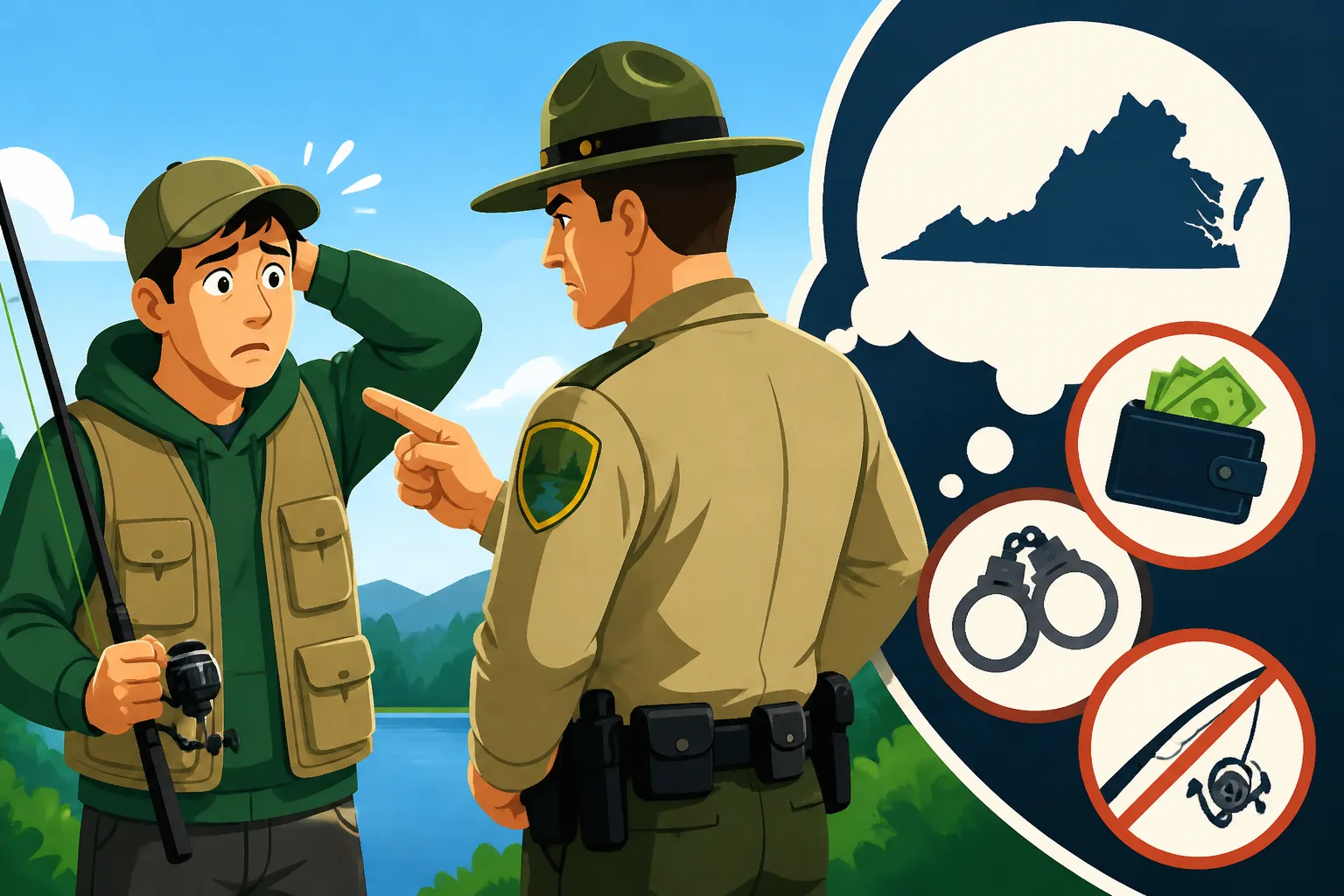
When a DWR game warden or other law enforcement officer approaches, their primary goal is to ensure compliance with Virginia's fishing regulations. They’ll typically introduce themselves, explain why they’re making contact, and then ask to see your fishing license and photo identification. This isn’t a personal attack; it's part of their job to protect Virginia's natural resources and ensure everyone is contributing their fair share through license fees. It’s important to remain calm and cooperative, even if you suspect you might be in violation. Getting argumentative or trying to flee will only escalate the situation and can lead to more severe charges. They are just trying to do their job, which includes ensuring anglers follow the rules, as detailed in our guide on how Virginia wildlife officers handle anglers caught without a license.
If you don't have a physical license, many wardens are equipped to verify licenses electronically in the field using your identification. This is a huge benefit in today’s digital age, and it’s why keeping a digital copy on your phone or ensuring your DWR profile is up-to-date is a smart move. However, if they cannot verify it on the spot, or if you genuinely don't have one, that's when the situation shifts from a routine check to a potential violation. Even if you swear you bought one last week, without proof or immediate verification, you're in a tough spot.
The Warden's Discretion and Your Responsibilities
While the law is the law, wardens often have some discretion in how they handle situations. For instance, a first-time offender who genuinely forgot their license at home and is otherwise cooperative might receive a warning or a summons with a lower fine. However, someone caught fishing illegally multiple times, or who is uncooperative, could face the full extent of the law. This is why your demeanor during the encounter is critical. It's about respecting the authority and the regulations put in place to manage our shared fisheries.
Your responsibility as an angler extends beyond just having a license; it also includes knowing the specific rules for the waters you're fishing, understanding catch limits, and being aware of any special permits required, like for trout fishing. A warden might check your tackle, your cooler, and even ask about your catch. If they find you without a license, and perhaps also over the limit, or using illegal bait, those violations will be compounded, leading to a much more serious outcome. Remember, the game wardens check for valid fishing licenses on the water regularly, so it's not a rare occurrence to be stopped.
Navigating the Legal Landscape: Fines and Penalties
So, you've been caught. What happens next? In Virginia, fishing without a valid license is considered a misdemeanor offense. This isn't just a slap on the wrist; it carries legal weight and can lead to more than just a simple fine. It's a formal charge that requires a response and can have lasting effects.
Understanding Virginia's Misdemeanor Charges
Fishing without a license in Virginia is typically classified as a Class 4 misdemeanor. This is the lowest level of misdemeanor in the Commonwealth, but it's still a criminal offense. It means it goes on your record, and it's something you'll have to address through the court system. This isn't like a parking ticket you can just mail in and forget about; it demands your attention and time. The purpose of these penalties, outlined in our guide on Penalties for Fishing Without a License in Virginia, is not just to punish, but to deter illegal activity and help fund conservation efforts.
The charge serves as a reminder that fishing is a regulated privilege, not an unrestricted right. These regulations are crucial for maintaining healthy fish populations and ecosystems for everyone to enjoy, now and in the future. The revenue generated from license sales and fines directly supports the Virginia DWR's conservation programs, fish stocking efforts, habitat restoration, and enforcement activities. When someone fishes without a license, they're not just breaking a rule; they're circumventing a system designed to protect the very resources they're enjoying.
Financial Burdens and Court Proceedings
The typical fine for a Class 4 misdemeanor in Virginia can be up to $250. However, this is just the base fine. You'll also be responsible for court costs, which can often exceed the fine itself, sometimes adding another $50-$100 or more to your total bill. So, what might seem like a minor offense could easily set you back $100 to $350 or even more, depending on the specific circumstances and any additional charges. For example, if you were also caught violating size or creel limits, those would be separate offenses with their own fines and court costs, rapidly increasing the financial impact.
Upon receiving a summons, you'll be given a court date. You’ll have the option to pay the fine prior to court if the offense allows (usually for a first offense with no complicating factors), or you can appear before a judge. If you choose to appear, you can plead guilty, not guilty, or no contest. Pleading not guilty would typically require you to present a defense, which could mean taking time off work and potentially incurring legal fees if you choose to hire an attorney. It’s a significant time commitment and often a stressful experience that most anglers would rather spend actually fishing. This often leads people to simply pay the fine to avoid the added stress and time. For specific fine details, you might want to read more about Fines for fishing without a license.
| Violation Type | Typical Base Fine (VA) | Additional Court Costs (Estimated) | Total Minimum Outlay |
|---|---|---|---|
| Fishing Without a License (Class 4) | Up to $250 | $50 – $100 | $100 – $350 |
| No Trout License/Stamp | Up to $250 | $50 – $100 | $100 – $350 |
| Exceeding Creel/Size Limit | Varies greatly | $50 – $100 | Often $100+ per fish |
| Fishing in Closed Waters | Varies greatly | $50 – $100 | Often $200+ |
| Using Illegal Gear/Bait | Varies greatly | $50 – $100 | Often $150+ |
Note: Fines and court costs are subject to change and can vary based on specific circumstances, county, and judge's discretion. This table provides typical estimates for informational purposes only.
Beyond the Immediate: Long-Term Repercussions
The headache of a fine and a court date isn't where the story always ends. Getting caught fishing without a license can have longer-lasting consequences that can impact your ability to enjoy fishing in the future, not just in Virginia, but potentially beyond its borders.
Suspension of Privileges and Future Licensing Hurdles
One of the most significant long-term consequences is the potential suspension or revocation of your fishing privileges. The Virginia DWR maintains records of all violations. If you're a repeat offender, or if your offense was particularly egregious (e.g., fishing without a license while also poaching or exceeding limits significantly), the DWR can suspend your right to purchase a fishing license for a specified period. This means you legally cannot fish in Virginia, even if you wanted to buy a license. This can be a devastating blow for passionate anglers, turning a favorite pastime into a forbidden activity.
Imagine planning a big family fishing trip to a scenic lake like Smith Mountain Lake or Lake Anna, only to realize you can’t legally participate because of a past mistake. The frustration and embarrassment would be immense. The DWR takes these violations seriously because they directly undermine conservation efforts and fair access for all licensed anglers. Once your privileges are suspended, getting them reinstated can be a bureaucratic challenge, often involving appeals, waiting periods, and the payment of additional fees. It's far more complicated than simply purchasing a new license. Our comprehensive Virginia Fishing License Guide can help you understand all the ins and outs of obtaining and maintaining your license legally.
The Ripple Effect: Reciprocity and Your Fishing Record
Another often-overlooked consequence relates to interstate reciprocity agreements. Many states have agreements to honor each other's fishing license suspensions. This means if your fishing privileges are suspended in Virginia, neighboring states like Maryland, North Carolina, or even West Virginia might also refuse to issue you a fishing license for the duration of your suspension. What started as a mistake on a Virginia river could prevent you from enjoying a charter trip on the Chesapeake Bay or a peaceful day on a lake in another state. While Virginia and Maryland fishing license reciprocity rules can be complex, a violation in one state could definitely complicate matters in another.
A misdemeanor conviction also becomes part of your public record. While a Class 4 misdemeanor for fishing without a license might not stop you from getting a job, it is still a criminal record. When you apply for certain professional licenses, housing, or even some volunteer positions, background checks are often performed. While it’s unlikely to be a deal-breaker for most things, it's still a blot on your record that could raise questions and require explanations. It’s a constant reminder of a misstep that could have easily been avoided.
Smart Angling: Ensuring You're Always Legal
The good news is that avoiding these hassles is incredibly easy. A little preparation and awareness go a long way in ensuring your fishing trips are always enjoyable and stress-free. There's no need to take chances when getting licensed is so straightforward.
Simple Steps to Secure and Carry Your License
The first and most important step is to always, always purchase a valid fishing license before you head out. In Virginia, you can get a license quickly and conveniently online through the Virginia DWR website, or in person at various license agents across the state, including many sporting goods stores and bait shops. You can even learn how to buy a fishing license online in Virginia from the comfort of your couch. Once purchased, you'll receive a physical copy, and often a digital version via email.
It's critical to carry proof of your license while fishing. This can be the physical card, a printed copy of your online purchase, or even a clear photo of your license on your smartphone. Many anglers prefer to keep their license in a waterproof wallet, a lanyard around their neck, or tucked safely into a fishing vest. Think about those useful tackle boxes and vests you might find on Amazon; they often have dedicated pockets perfect for keeping your license secure and accessible. Before you step foot on the bank or into your boat, make it a habit to confirm your license is with you. For first-time anglers, understanding these Fishing license requirements for first-time anglers is key.
Understanding Virginia's Specific License Nuances
Virginia has different types of fishing licenses depending on where and what you plan to fish. You might need a freshwater license, a saltwater license, or a combination license. If you're targeting trout in designated stocked trout waters, you'll likely need an additional trout license or stamp. These aren't just arbitrary rules; they fund specific conservation efforts for these different fisheries. Checking the Virginia Fishing Regulations Explained annually is crucial, as rules can change from year to year regarding seasons, limits, and license requirements.
Don't forget about age requirements! In Virginia, residents 16 years of age and older need a fishing license. Non-residents must also have a license if they are 16 or older. There are also specific rules about who needs a license for kids in Virginia. Seniors may have reduced fees or special lifetime options. Knowing these specifics ensures everyone in your fishing party is compliant. It's always best to be overly prepared than to be caught off guard. When stocking up on fishing essentials, whether it's bait, lures, or even a new fishing hat, you might find a great selection on Amazon, but remember to prioritize your license purchase from official DWR channels first.
Disclaimer
The information provided in this guide is for general informational purposes only and does not constitute legal advice. Fishing regulations and penalties are subject to change. Always consult the official Virginia Department of Wildlife Resources (DWR) website or a legal professional for the most current and accurate information.