Five-day fishing passes for short trips
There's nothing quite like the spontaneous urge to cast a line, but sometimes life only allows for a quick getaway rather than a full-blown fishing expedition. For those weekend warriors, short-term vacationers, or even folks just dipping their toes into the angling world in Virginia, navigating the world of fishing licenses can feel like trying to untangle a bird's nest of line. Thankfully, Virginia offers specialized five-day fishing passes that are perfect for those short, impactful trips, ensuring you stay legal without committing to an annual license. This guide will walk you through everything you need to know about these flexible options, making sure your quick escape is hassle-free and full of fish stories.
Understanding Virginia's Short-Term Fishing Passes
Virginia's Department of Wildlife Resources (DWR) understands that not everyone needs or wants a full-year fishing license. Maybe you're visiting from out of state for a long weekend, or perhaps you're a Virginia resident who only fishes a couple of times a year. This is exactly where the five-day fishing passes shine, offering a practical, affordable, and fully compliant way to enjoy the Commonwealth's incredible waters. These passes are designed to be straightforward, but it's crucial to understand their nuances, especially regarding freshwater versus saltwater distinctions.
Who Needs a 5-Day Pass?
The general rule of thumb in Virginia is that anyone 16 years of age or older needs a valid fishing license to fish in public waters. This applies whether you're a seasoned angler or just trying it out for the first time. The five-day passes are particularly appealing to:
- Non-residents: If you're coming to Virginia for a vacation and plan to spend a few days fishing, a five-day pass is often much more cost-effective than a full annual nonresident license. It’s designed for tourists or those just passing through.
- Virginia Residents: Even if you live in Virginia, if your fishing trips are infrequent and typically clustered within a few days, a five-day pass can save you money compared to an annual resident license. It offers flexibility for those spur-of-the-moment decisions to hit the lake or the bay.
- First-Time Anglers: Thinking about taking up fishing but not ready to commit? A five-day pass is a fantastic, low-commitment way to experience the sport and see if it hooks you. It’s an ideal way for beginners to get started without a hefty initial investment.
Remember, regardless of whether you're a resident or non-resident, if you're 16 or older and planning to fish, you'll need one of these passes or a standard license. You can learn more about the specific requirements in our comprehensive guide on Virginia Fishing License Requirements for Residents and Nonresidents.
Freshwater Versus Saltwater 5-Day Options
Virginia's diverse fishing landscape means you'll find everything from serene mountain streams to the vast Chesapeake Bay and the Atlantic Ocean. Consequently, the DWR offers distinct licenses for freshwater and saltwater fishing. This distinction is paramount when choosing your five-day pass, as a freshwater pass won't cover saltwater activities, and vice-versa.
- Freshwater Pass: This pass is for fishing in non-tidal waters, including most rivers upstream from their tidal influence, all lakes, ponds, and reservoirs across the state. Think of places like Smith Mountain Lake, Lake Anna, or the upper James River.
- Saltwater Pass: This pass covers all tidal waters of Virginia, including the Chesapeake Bay and its tributaries, coastal rivers, and the Atlantic Ocean out to three miles from shore. This is what you'll need for fishing from piers in Virginia Beach, casting into the bay, or heading out on a charter boat for rockfish.
There isn't a combined five-day pass that covers both, so you’ll need to decide where your angling adventures will take you. This clear separation helps ensure that the funds from each license type are directed to the appropriate conservation efforts for those specific aquatic environments, as detailed in our broader article, Freshwater and Saltwater Fishing Licenses in Virginia.
What These Passes Cover
Once you have your five-day pass in hand, you're generally good to go for the specified duration and water type. These passes grant you permission to fish for the vast majority of commonly targeted species in Virginia within the five consecutive days from your chosen start date.
For freshwater anglers, this means pursuing popular species like largemouth and smallmouth bass, crappie, catfish, sunfish, and even stocked trout if you've also purchased the necessary trout stamp (more on that in a moment!). Saltwater enthusiasts can target species such as striped bass (rockfish), flounder, croaker, spot, bluefish, and many more.
However, it's critical to understand that while the pass covers the general act of fishing, it doesn't exempt you from other regulations. Catch limits, size restrictions, and specific open seasons for certain species remain in effect. For example, if you're planning to fish for trout in designated stocked trout waters, you’ll need to purchase a Virginia Trout License in addition to your five-day freshwater pass. Similarly, while your saltwater pass allows you to fish, you must still comply with all federal and state regulations for species like striped bass or red drum. Always double-check the current Virginia Fishing Regulations Explained before heading out.
Virginia's 5-Day Freshwater Fishing Pass Explained
For many, a fishing trip to Virginia conjures images of tranquil lakes nestled amidst rolling hills or peaceful rivers winding through scenic forests. If this sounds like your ideal getaway, the five-day freshwater fishing pass is your ticket to angling adventure. It’s designed for maximum convenience and minimal commitment, making it perfect for short stays.
Eligibility and Cost Details
The five-day freshwater fishing pass is available to both residents and non-residents, though the pricing differs. It provides five consecutive days of fishing privileges, starting from the date you select at the time of purchase.
- Virginia Residents: For residents, a Five days of Virginia freshwater fishing costs $14. This is a fantastic option if you only fish a couple of times a year or want to try out a new spot without committing to the annual fee. Compared to the typical cost of a resident freshwater fishing license, which is around $23, it's a slight saving if you're just doing one short trip.
- Non-residents: For visitors from out of state, the five-day freshwater pass is also $14. This is a particularly good deal when you consider that an out-of-state anglers pay $47 for a Virginia freshwater license for an entire year. If you're only in Virginia for a long weekend, this short-term pass is a no-brainer.
It’s important to note that if you plan on fishing in designated stocked trout waters, you’ll need to add a Virginia Trout License, which is an additional fee, regardless of your residency. This helps fund the state's robust trout stocking program.
Where You Can Use It
Your five-day freshwater pass opens up a world of possibilities across Virginia's inland waters. This includes a vast network of:
- Lakes and Reservoirs: From the popular waters of Lake Anna and Smith Mountain Lake, known for their bass and crappie, to smaller community ponds and reservoirs, your pass covers you. Imagine spending a few days targeting largemouth bass in the coves of Buggs Island Lake or exploring the diverse fishery of Claytor Lake.
- Rivers and Streams: Many of Virginia's rivers offer incredible freshwater fishing, from the smallmouth bass hotspots of the Shenandoah River and James River to the picturesque mountain streams holding wild trout (with the proper trout stamp, of course!). Just be mindful of tidal lines; once a river becomes tidal, you'll need a saltwater license.
- Ponds: Whether it's a state park pond or a public access pond in a local park, your freshwater pass will generally cover you. These smaller bodies of water are often fantastic for panfish and provide excellent opportunities for beginners or family outings.
Always check local regulations for specific bodies of water, as some may have unique rules regarding public access or catch limits.
Purchasing Your Freshwater Pass
Getting your five-day freshwater pass is straightforward and can be done through several convenient channels. The DWR has made it easy to ensure you're compliant before you even wet a line.
- Online: The quickest and most popular method is to purchase your license directly from the Virginia DWR website. You can find detailed steps in our guide on How to Buy a Fishing License Online in Virginia. You simply select the 5-day freshwater pass, choose your start date, complete the payment, and you can often print a temporary copy or save it to your phone instantly.
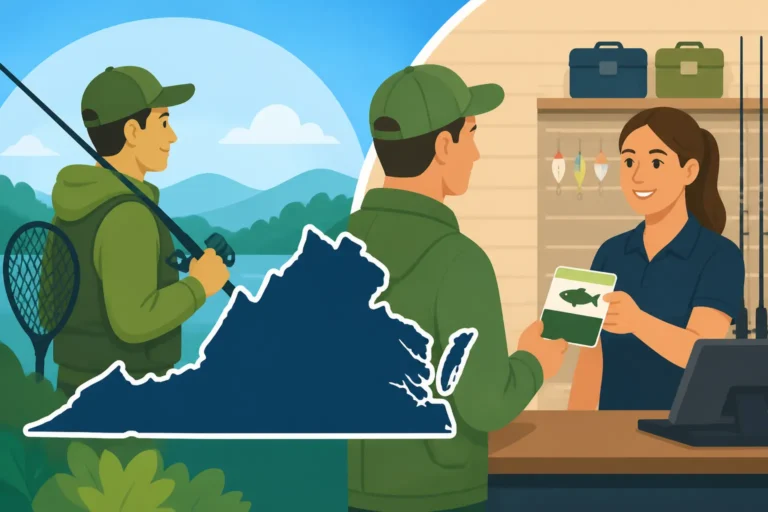
- In-Person: Many sporting goods stores, bait and tackle shops, and even some Walmarts and K-Marts act as authorized DWR license agents. This is a great option if you prefer to speak to someone, need last-minute advice, or want to pick up some bait and tackle at the same time. You can locate nearby vendors by checking our article on Where to Buy a Virginia Fishing License.
- By Phone: You can also purchase licenses over the phone by calling the DWR’s customer service line. This can be handy if you're on the go and have questions before committing to a purchase.
Whichever method you choose, make sure to have your identification ready, especially if you're a Virginia resident, to confirm your eligibility for resident pricing.
Virginia's 5-Day Saltwater Fishing Pass Demystified
If the salty air, the vast expanse of the Chesapeake Bay, or the allure of the Atlantic Ocean is calling your name, then a five-day saltwater fishing pass is what you’ll need. Virginia's saltwater fisheries are world-renowned, and this short-term pass offers a fantastic way to experience them without the commitment of an annual license.
Eligibility and Cost Considerations
Just like its freshwater counterpart, the five-day saltwater fishing pass is available to both residents and non-residents, with identical pricing structures. The cost is quite attractive for a temporary foray into the tidal waters.
- Virginia Residents: A Five-day Virginia saltwater pass runs $24. While slightly more than the freshwater option, this reflects the complexities and extensive management of Virginia's coastal fisheries. For comparison, the resident annual saltwater license is around $17.50, so this pass is mainly for very infrequent anglers or those who truly only fish one or two short trips a year.
- Non-residents: For visitors, the five-day saltwater pass is also $24. This is an excellent value considering an annual nonresident saltwater-only license is $25. It essentially offers the convenience of a short-term pass without much difference in price from the annual for non-residents. In fact, some might find the Virginia's 10-Day Saltwater Fishing License to be an even better value if their trip extends just a little longer, as it costs only $10 for residents and visitors alike.
The five-day pass is incredibly flexible, allowing you to choose any five consecutive days. This means you can plan your trip around tides, weather, or simply when you have time off.
Where to Use Your Saltwater Pass
The possibilities with a five-day saltwater pass are immense, covering all tidal waters within Virginia's jurisdiction. This means you can fish:
- The Chesapeake Bay and Its Tributaries: The Bay is a massive and diverse fishery, offering everything from striped bass (rockfish) and flounder to croaker and spot. You can fish from public piers, shorelines, or small boats within the Bay and its numerous tidal rivers like the James, York, Rappahannock, and Potomac.
- Coastal Rivers: Downstream of the freshwater/saltwater demarcation line, these rivers become tidal and fall under saltwater regulations. They can offer excellent fishing for species like speckled trout, red drum, and flounder.
- The Atlantic Ocean: Whether you're surf fishing from the beaches of Virginia Beach or Cape Charles, or heading out a few miles offshore in a private boat, your five-day saltwater pass has you covered.
- Piers and Public Access Points: Many coastal cities, like Virginia Beach and Norfolk, have public fishing piers that are prime spots for catching a variety of saltwater species. Your five-day pass will make sure you're legal on these structures. Just remember, some piers might have an additional facility use fee.
Saltwater Registration (FIP) Integration
Here's an important nuance for saltwater anglers: in addition to your Virginia saltwater fishing license (including the 5-day pass), most recreational saltwater anglers also need to register with the Virginia Marine Resources Commission (VMRC) for the Virginia Saltwater Fisherman Identification Program (FIP). This is free and is required even if you have a valid saltwater license, unless you are fishing on a licensed charter boat where the captain's license covers everyone on board.
This federal requirement helps monitor recreational fishing efforts nationwide. When you purchase your Virginia saltwater license online or in person, you'll typically be prompted to complete this FIP registration. It's a quick process, but a crucial step to avoid any issues with enforcement officers. Ensure you receive confirmation of your FIP registration and carry proof of it with you, just as you would your fishing license. This program is part of the broader framework of Virginia Fishing Regulations Explained, which helps manage the state's marine resources sustainably.
Making the Most of Your Short Trip
A five-day pass means your time on the water is precious. To truly maximize your short Virginia fishing adventure, a little planning and preparation go a long way. You want every cast to count, every moment to be enjoyable, and every memory to be worth it.
Planning Your Five-Day Adventure
Even for a short trip, a bit of foresight can dramatically improve your experience and success rate. Don't just show up and hope for the best!
- Research Your Destination: Before you even buy your pass, decide where you want to fish. Are you dreaming of big bass in a freshwater lake, or battling striped bass in the Bay? Once you've chosen, research specific spots, common species, and successful techniques for that area. Websites, local fishing forums, and bait shops are invaluable resources. Our article on the Best Fishing Spots in Virginia can be a great starting point.
- Check the Weather and Water Conditions: Five days can bring wildly different weather. Keep an eye on the forecast for temperature, wind, and precipitation. Also, look into recent water conditions – clarity, temperature, and levels can all impact fish behavior. Fishing after a cold front or heavy rain can change your strategy significantly.
- Understand Seasonal Patterns: Fish behavior changes with the seasons. A five-day trip in spring will be very different from one in fall. Bass might be spawning in spring, while striped bass might be on their fall migration in the Bay. Knowing the general patterns for your target species will help you choose the best time for your trip and the right techniques. You can find more details in our guide on Virginia Fishing Seasons Explained.
- Confirm Regulations: Yes, you have your license, but species-specific rules are paramount. Double-check daily creel limits, minimum size limits, and any special slot limits for the fish you intend to target. For instance, Virginia's Striped Bass Season and Slot Limit Guide is essential reading if you're chasing rockfish.
Essential Gear for Your Short Trip
You don't need to break the bank to have a successful five-day fishing trip, but having the right gear is crucial. The key is efficiency and versatility, especially when space or travel might be a concern.
- Rod and Reel: A medium-action spinning rod and reel combo is incredibly versatile for both freshwater and lighter saltwater applications. It can handle most bass, crappie, catfish, and smaller saltwater species like croaker or flounder. For heavier saltwater pursuits, a sturdier setup might be warranted. Brands like Penn, Shimano, and Daiwa offer reliable options across various price points.
- Tackle Box Essentials: Don't overload, but pack smart.
- Freshwater: A selection of soft plastics (worms, creature baits), crankbaits, spinnerbaits, jigs, bobbers, hooks (various sizes), sinkers, and leaders.
- Saltwater: Jigs, spoons, soft plastics (grubs, paddle tails), bait holders, heavier sinkers, and durable leaders.
- Regardless of water type, a good pair of pliers/forceps, line cutters, and a small first-aid kit are indispensable. You can find a huge variety of these essentials on Amazon, making it easy to stock up or replace worn-out gear quickly before your trip.
- Bait: Live bait often outfishes artificials, especially for species like catfish or panfish. Worms, minnows, or shrimp can be purchased at local bait shops. For saltwater, squid, cut bait, or live eels are popular. If you prefer artificials, match your bait to what the fish are naturally feeding on (e.g., shad imitations if shad are present).
- Comfort and Safety:
- Clothing: Dress in layers, as Virginia weather can change quickly. Sun protection (hat, sunglasses, long-sleeved shirts) is vital.
- Footwear: Comfortable, water-resistant shoes are a must.
- Cooler: For drinks, snacks, and keeping your catch fresh.
- PFD (Personal Flotation Device): If fishing from a boat or kayak, a life vest is non-negotiable for safety.
- Navigation/Communication: A fully charged phone or a GPS device, especially if exploring unfamiliar waters.
Key Regulations to Remember
While your five-day pass handles the license requirement, ignoring other regulations can quickly turn a great trip into a costly one. Virginia has comprehensive rules designed to protect its fisheries for future generations.
- Catch and Size Limits: These are specific to each species and sometimes even to particular bodies of water. For example, Statewide Bass Fishing Limits in Virginia will tell you how many bass you can keep and what their minimum length must be. Always measure your fish carefully and release any that don't meet the legal requirements.
- Seasons: Some species have open and closed seasons. Striped bass, for instance, has a split season in Virginia to protect spawning fish. Fishing for a species out of season, even with a valid license, is illegal.
- Gear Restrictions: Certain types of gear or bait might be prohibited in specific areas (e.g., live bait restrictions on some trout streams).
- Permits for Specific Waters: Beyond the standard license and trout stamp, some private lands or reservoirs might require an additional permit. Always check with the local authority managing the water body.
- Displaying Your License: Always carry proof of your valid fishing license (and FIP registration for saltwater). Virginia game wardens check for valid fishing licenses on the water, and not having it can result in penalties for fishing without a license in Virginia. A digital copy on your phone is usually acceptable, but a printed copy can be a good backup, especially in areas with spotty cell service.
By taking a little time to understand these regulations, you'll ensure your five-day trip is not only successful but also responsible and compliant. Enjoy your time on Virginia’s incredible waters!
Comparison of Virginia's 5-Day Fishing Passes
To give you a quick overview, here's a table comparing the key aspects of Virginia's 5-day freshwater and saltwater fishing passes:
| Feature | 5-Day Freshwater Fishing Pass | 5-Day Saltwater Fishing Pass |
|---|---|---|
| Eligibility | Residents and Non-residents (age 16+) | Residents and Non-residents (age 16+) |
| Cost | $14 (for residents and non-residents) | $24 (for residents and non-residents) |
| Duration | 5 consecutive days | 5 consecutive days |
| Water Type | Non-tidal lakes, rivers, ponds, reservoirs | Tidal rivers, Chesapeake Bay, Atlantic Ocean |
| Additional Stamps | Trout license required for stocked trout waters | Free FIP (Fisherman Identification Program) registration often required for individuals |
| Best For | Weekend trips to inland lakes/rivers, trying out freshwater fishing | Short coastal vacations, pier fishing, Bay fishing |
| Where to Buy | DWR website, authorized agents, phone | DWR website, authorized agents, phone |
Disclaimer
The information provided in this guide is for general informational purposes only and is not intended as legal advice. Fishing regulations in Virginia can change frequently. While we strive to provide accurate and up-to-date information, it is the angler's responsibility to consult the official Virginia Department of Wildlife Resources (DWR) and Virginia Marine Resources Commission (VMRC) websites or publications for the most current rules and regulations before engaging in any fishing activity. Failure to comply with all applicable laws and regulations may result in penalties.