What to Wear on a Virginia Beach Fishing Charter
One of the biggest anxieties when you're planning a Virginia Beach fishing charter is often not about catching fish, but about being comfortable enough to actually enjoy the experience. Nobody wants to be shivering cold, soaking wet, or miserably sunburnt when they should be reeling in a trophy catch. This guide will walk you through exactly what to wear on a Virginia Beach fishing charter, ensuring you're prepared for whatever the Atlantic throws your way and can focus on the fun.
Understanding Virginia Beach Weather: Expect the Unexpected
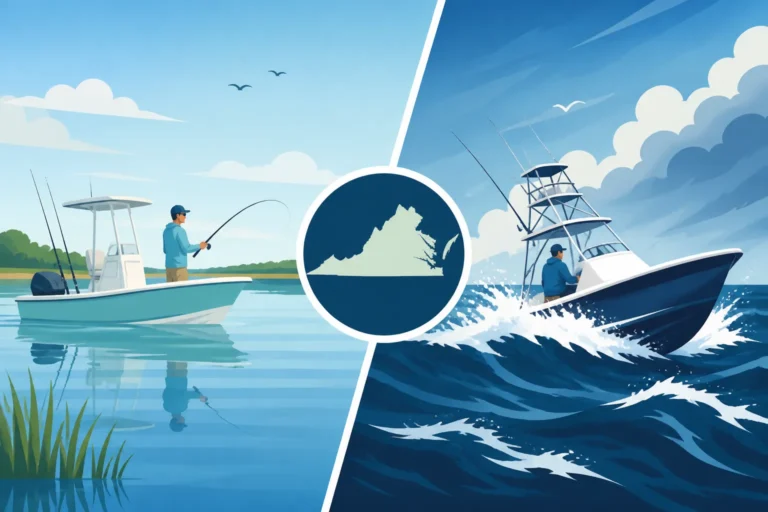
Virginia Beach, with its beautiful coastline, offers incredible fishing opportunities, but its weather can be famously fickle. What starts as a calm, sunny morning can quickly turn breezy and chilly on the water, or a promising forecast can give way to an unexpected sprinkle. The key to comfort on a fishing charter, whether you're targeting striped bass in the Chesapeake Bay or heading offshore for tuna, is layers. Even on the warmest days, the ocean breeze can be surprisingly cool, and direct sun exposure can lead to rapid dehydration and sunburn if you're not properly covered.
Thinking ahead about the day's conditions, and bringing options, is your best defense. You might check the forecast, but remember that conditions on land can differ significantly from those a few miles out at sea. Being out on the water often means encountering stronger winds and cooler temperatures than you'd experience on the shore, even by a few degrees. The boat itself, especially if it's cruising at speed, creates its own wind chill. Plus, spray from the waves can certainly make you feel colder than the air temperature suggests. This means that a light jacket or even a mid-weight fleece that feels unnecessary on shore might be exactly what you need once you're underway. Planning for versatility is crucial, and it’s always better to have an extra layer you don't use than to be stuck wishing you had one.
Why Layers Are Your Best Friend
Layering isn't just a suggestion; it's practically a commandment for comfortable offshore fishing. The beauty of layers is that you can add or subtract clothing as the conditions change, keeping your body temperature just right.
Think about it like this:
- Base Layer: This is what sits directly against your skin. Its primary job is to wick away moisture (sweat) to keep you dry. Materials like synthetic fabrics (polyester, nylon) or merino wool are excellent for this. Avoid cotton as a base layer; once wet, it stays wet and will make you feel colder. On a chilly morning, a long-sleeve base layer is ideal. On a hot day, a light, breathable short-sleeve wicking shirt can still serve as a comfortable base.
- Mid-Layer: This layer provides insulation. A fleece jacket, a lightweight wool sweater, or a puffy vest works wonders here. It traps warmth close to your body. You might start your day with this layer on, especially if you're heading out before dawn, and then shed it as the sun climbs higher.
- Outer Layer (Shell): This is your protection from the elements – wind, rain, and sea spray. A waterproof and windproof jacket is absolutely non-negotiable for a Virginia Beach fishing charter. Even if the forecast is clear, a rogue wave or sudden shower can drench you quickly. Look for jackets with sealed seams and adjustable cuffs and hoods for maximum protection. This layer can be lightweight or insulated, depending on the season, but its ability to keep you dry and block wind is paramount.
You can often find great charter options and details on what they provide, including guidance on clothing, on platforms like FishingBooker. They’ll often mention if they have any rain gear on board, but it's always best to bring your own personal fit.
Essential Clothing Items for Your Virginia Beach Charter
Beyond the general concept of layering, there are specific items that will make your trip infinitely more enjoyable. From head to toe, let's break down the must-haves.
Top Half: Shirts, Jackets, and Outerwear
When it comes to your upper body, versatility is the name of the game. You'll likely be moving around, casting, and reeling, so comfort and freedom of movement are key.
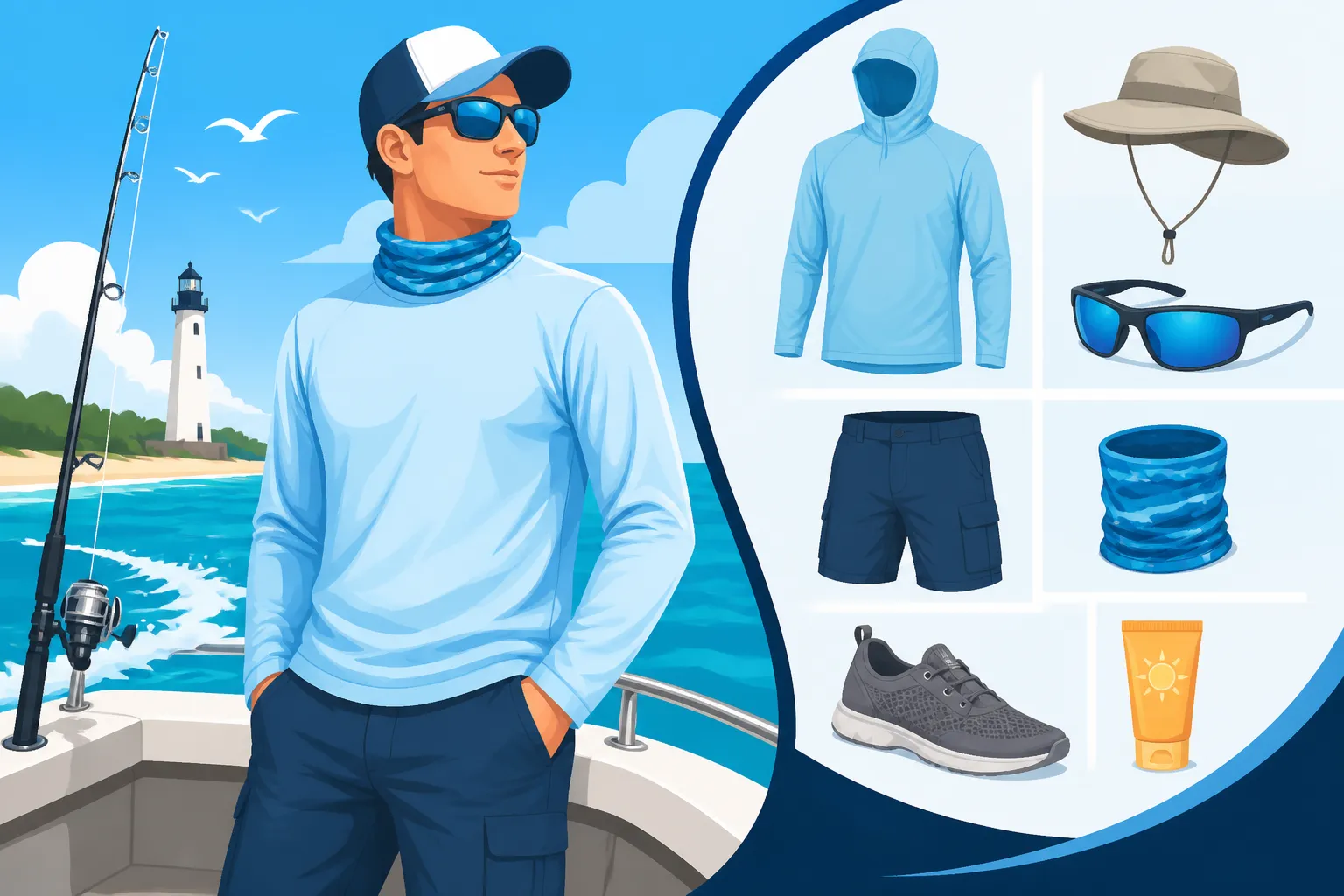
- Long-Sleeve Performance Shirt: Even in summer, a lightweight, long-sleeve performance shirt (often called a "fishing shirt") is your best friend. These are typically made from synthetic, quick-drying fabrics with a UPF (Ultraviolet Protection Factor) rating, offering crucial sun protection. They breathe well, wick away sweat, and keep the sun off your skin, which is far better than constantly reapplying sunscreen. Brands like Columbia PFG or similar technical fishing apparel are popular for a reason.
- Fleece or Sweater: A mid-weight fleece or wool sweater is perfect as an insulating layer. It provides warmth without being too bulky, allowing you to easily layer your outer shell over it. You'll especially appreciate this during cooler mornings or evenings, or if an unexpected cloud cover or cold front moves in.
- Waterproof and Windproof Jacket: This is your armor against the elements. A good quality waterproof and windproof jacket is paramount. It should be breathable enough that you don't feel like you're in a sauna, but strong enough to keep out driving rain and stiff winds. Look for features like a hood that can be cinched down, and cuffs that can be tightened to prevent water from running up your sleeves when you're handling fish or lines. This is not the place to skimp; being wet and cold can quickly ruin a day on the water.
Bottom Half: Pants, Shorts, and Rain Gear
Your lower body needs protection too, especially from spray and sun. You'll be sitting, standing, and leaning, so choose items that allow for full range of motion.
- Quick-Drying Pants or Shorts: Depending on the season and expected temperatures, you'll want either quick-drying convertible pants (that zip off into shorts) or dedicated fishing shorts. Again, synthetic fabrics are king here. They shed water quickly, resist stains, and often have useful pockets. Avoid heavy denim jeans; they take forever to dry if they get wet and will chafe.
- Waterproof Rain Pants: Just like your jacket, waterproof rain pants are essential. Even if you don't wear them all day, having them ready in your bag can be a game-changer if a squall rolls through or if there's significant chop causing spray to come over the bow. They'll keep your legs dry and warm, which dramatically improves overall comfort. They don't need to be insulated, just a lightweight shell that blocks water and wind.
Here’s a quick comparison of material choices:
| Feature | Cotton | Synthetic (Polyester, Nylon) | Merino Wool |
|---|---|---|---|
| Moisture | Absorbs and holds water, dries slowly | Wicks moisture, dries quickly | Wicks moisture, insulates when wet |
| Insulation | Insulates poorly when wet | Good insulation, maintains warmth | Excellent insulation, even when wet |
| Comfort | Soft, but can feel clammy when wet | Smooth, lightweight, breathable | Soft, non-itchy, regulates temperature |
| Weight | Heavier when wet | Lightweight | Lightweight to mid-weight |
| Odor | Can retain odor | Can retain odor, but many have anti-odor tech | Naturally odor-resistant |
| Sun Protection | Low UPF unless specially treated | Often has high UPF ratings | Good natural UV protection |
| Best Use | Casual wear, never a base layer for fishing | Base, mid, and outer layers; performance wear | Base and mid layers, especially in cool weather |
Comparing Freshwater and Saltwater License Costs might not be directly about clothing, but knowing your license is squared away means one less thing to worry about, letting you focus on packing right.
Footwear and Headwear: Staying Comfortable from Head to Toe
Don't overlook your extremities! Keeping your head and feet comfortable is crucial for overall enjoyment on the water.
Footwear: Grip and Protection
Your feet are your foundation on the boat, and safety is paramount. The deck can get wet and slippery, so proper footwear is a must.
- Non-Marking, Non-Slip Shoes: This is arguably the most important footwear requirement. You need shoes with good grip on wet surfaces. Deck shoes, boat shoes, or even athletic shoes with non-slip soles are great. Make sure they are non-marking to avoid leaving scuffs on the boat. Sandals or flip-flops are generally a bad idea; they offer no toe protection and poor stability. You want something that will stay securely on your feet.
- Waterproof Boots (Optional but Recommended): If you anticipate rougher seas, colder weather, or lots of spray, a pair of lightweight waterproof deck boots can be a lifesaaver. They keep your feet completely dry and offer excellent traction. They might be overkill for a calm summer day, but having them as an option, especially if you booked through a service like FishingBooker that allows you to see typical conditions for your trip, is smart.
- Socks: Even on warm days, wear socks. They prevent blisters and help manage moisture. For cooler weather, wool or synthetic socks provide warmth and wick away moisture. Again, steer clear of cotton socks for fishing.
Headwear: Sun and Warmth
Your head is a major point of heat loss or gain, so protecting it is key.
- Wide-Brimmed Hat or Cap: Essential for sun protection. A baseball cap is good, but a wide-brimmed hat offers more comprehensive protection for your ears and neck from the relentless Virginia sun. Make sure it has a chin strap or fits snugly so it doesn't fly off in the wind.
- Sunglasses: Polarized sunglasses are non-negotiable. They protect your eyes from harmful UV rays and, more importantly, cut glare on the water, allowing you to see fish, structure, and potential hazards much more clearly. They're a game-changer for spotting fish, especially for species like striped bass.
- Neck Gaiter/Buff: This versatile piece of cloth can be worn in multiple ways: pulled up over your face for sun protection, around your neck for warmth, or as a headband. It's fantastic for protecting your face and neck from sun and windburn.
- Warm Hat (Beanie): For cooler days, especially early mornings or late evenings, a warm beanie or wool hat will make a huge difference in keeping your overall body temperature comfortable.
If you're charter fishing for Striped Bass Season and Slot Limit in Virginia, you'll be out on the water for a good amount of time, making sun and wind protection even more critical.
Beyond Clothing: Important Personal Items
While not directly clothing, these items are just as crucial for your comfort and safety on a Virginia Beach fishing charter.
Sun Protection
You can never have too much sun protection, especially on the water where UV rays are intensified by reflection.
- Sunscreen: A high SPF, water-resistant sunscreen is a must. Apply it generously before you even leave the dock, and reapply throughout the day, especially after getting wet. Don't forget often-missed spots like the tops of your ears, neck, and the backs of your hands.
- Lip Balm with SPF: Your lips are susceptible to sunburn and windburn. Keep a good quality lip balm with SPF handy.
Hydration and Snacks
Fishing can be physically demanding, and you're exposed to the elements. Staying hydrated is critical.
- Water Bottle: Bring plenty of water. Even if the charter provides some, having your own reusable bottle full of water is smart. Dehydration can quickly lead to fatigue and headache, cutting your trip short.
- Snacks: Pack some non-perishable snacks like granola bars, fruit, or sandwiches. Fishing builds up an appetite, and a quick energy boost can keep you going strong. Many charters won't provide full meals, so plan accordingly.
Other Essentials
- Small Backpack or Dry Bag: To keep all your extra layers, snacks, and personal items organized and dry. A dry bag is ideal for protecting electronics or anything sensitive to water.
- Medication: If you take any prescription medication, remember to bring it. Also, consider motion sickness medication if you're prone to seasickness. It's far better to take it before you get on the boat than to wait until you feel ill.
- Camera/Phone (in a waterproof case): You'll want to capture those memories, so ensure your device is protected from water.
- Small Towel: Handy for drying hands, wiping spray off your face, or cleaning up after handling fish.
- Ziploc Bags: Great for trash, keeping small items dry, or even storing a small fillet if you're lucky enough to catch one that day.
Remember that a good charter captain, especially those you might find listed on a platform like FishingBooker, will often give you guidance on what to bring as part of their booking confirmation. They know their local waters best!
Seasonal Considerations for Your Wardrobe
The beautiful thing about fishing in Virginia Beach is that it's a year-round activity, but what you wear will definitely shift with the seasons.
Spring Fishing (March – May)
Spring in Virginia Beach can be glorious, but it's also highly variable. Warm, sunny days can quickly give way to cool, blustery conditions.
- Layers are paramount: You'll likely need multiple layers, including a warm mid-layer (fleece or light jacket) and a sturdy waterproof/windproof outer shell.
- Long sleeves and pants: Even on sunny days, the air can be crisp, and sun protection is always a good idea.
- Warm hat and gloves: Especially for early morning starts when temperatures are still cool. Lightweight, fingerless gloves can be great for warmth while still allowing dexterity for handling gear.
- Waterproof boots: Good idea for spray and potential rain.
This is a great time to hit the water for Virginia's Best Fishing Spots by Region, and being prepared for all weather types is key.
Summer Fishing (June – August)
Summer means warmer temperatures, but don't be fooled into thinking you can just wear a swimsuit.
- Lightweight, breathable, long-sleeve UPF shirts: Essential for sun protection. Even though it's hot, covering up is often cooler and prevents sunburn better than bare skin.
- Quick-drying shorts or light pants: Choose synthetic materials.
- Wide-brimmed hat, polarized sunglasses, neck gaiter: Maximum sun protection.
- Lightweight waterproof jacket: You might not wear it, but bring it. Summer squalls can pop up quickly, and a sudden downpour is no fun if you're not prepared.
- Plenty of water and hydration.
Consider booking a Virginia Beach Fishing Charters and Trip Costs trip for summer, but ensure you're dressed for the intense sun!
Fall Fishing (September – November)
Fall offers some of the best fishing in Virginia Beach, with cooler air and active fish. Similar to spring, expect variability.
- Layering is key: You'll definitely want to start with warmer layers in the morning, peeling them off as the day warms up. Think base layer, fleece, and a good waterproof/windproof outer shell.
- Long pants and sleeves: For warmth and sun protection.
- Warm hat and gloves: Essential for crisp mornings and evenings.
- Waterproof boots: A solid choice for keeping your feet dry and warm.
Fall is a fantastic time for Chesapeake Bay Striped Bass Fishing Guide, and the right clothing will make the experience even better.
Winter Fishing (December – February)
Winter fishing charters are for the hardy, but they can be incredibly rewarding. Proper clothing is absolutely critical for safety and comfort.
- Thermal base layers: Multiple sets of quality thermal underwear (tops and bottoms) made of merino wool or heavy synthetics.
- Heavy mid-layers: Thick fleece, wool sweaters, or even insulated jackets under your outer shell.
- Heavy-duty waterproof and windproof outerwear: Your outer jacket and pants should be insulated and designed for cold, wet conditions. Consider bibs or a full float suit for maximum warmth and safety.
- Warm hat, gloves (waterproof if possible), and neck gaiter: Protect every bit of exposed skin.
- Insulated waterproof boots: Non-negotiable for keeping your feet warm and dry.
- Hand warmers/foot warmers: Small packets that provide extra warmth in gloves or boots.
When planning for your Virginia Beach adventure, especially if you're looking at specific trips like Virginia Beach Striped Bass Charter Season Timing, understanding these seasonal shifts in necessary apparel will be a huge benefit.
Common Mistakes to Avoid
Even with the best intentions, it's easy to make a few common clothing mistakes that can detract from your charter experience.
Wearing Cotton
As mentioned, cotton is a no-go for any layer if there's a chance of it getting wet, which there always is on a fishing boat. Cotton absorbs moisture and holds it, losing its insulating properties and making you feel clammy and cold. This applies to jeans, t-shirts, and socks. Opt for synthetics or wool instead.
Underestimating the Sun and Wind
Many people forget how intense the sun can be on the water, especially with the reflection off the surface. They also underestimate the cooling effect of wind chill. Always assume you'll need more sun protection (hat, sunglasses, long sleeves, sunscreen) and more wind protection (windproof shell) than you might think.
Forgetting Waterproof Gear
"It's not supposed to rain!" is a famous last thought before a sudden downpour hits. Even if the forecast is clear, a good waterproof jacket and pants are essential. Sea spray alone can soak you on a choppy day. Being wet and cold is a surefire way to be miserable.
Inappropriate Footwear
Flip-flops or open-toed sandals are dangerous on a boat deck. You need closed-toe shoes with excellent grip to prevent slips, falls, and stubbed toes. Your safety, and the safety of everyone on board, depends on stable footing.
By avoiding these common pitfalls and embracing the concept of layering and proper material choices, you'll be well on your way to a comfortable, enjoyable, and successful Virginia Beach fishing charter experience. Your focus should be on the thrill of the catch, not on shivering or sunburn, and dressing appropriately is the first step to making that happen.
Disclaimer
This article is for general informational purposes only and does not constitute professional advice. Laws, prices and regulations vary by location and change over time. Consult a qualified professional for guidance on your specific situation.