Freshwater Guide Trips Versus Saltwater Bay Charters
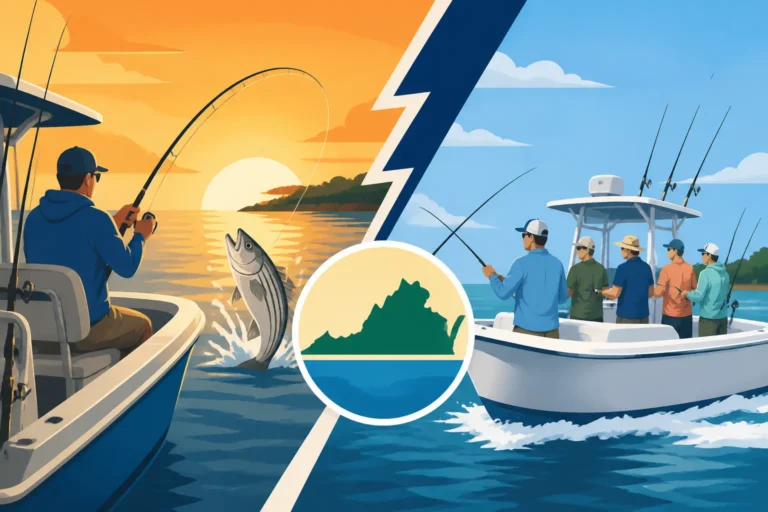
If you're dreaming of casting a line in Virginia, you've probably already started wondering about the incredible diversity of fishing experiences the state offers. But what’s the real difference between hopping on a freshwater guide trip deep in the mountains versus booking a saltwater bay charter out on the coast? It’s not just about the water type; it’s about the entire adventure, the species you'll encounter, the techniques you'll learn, and the memories you'll make. This guide will walk you through everything you need to know to decide whether a serene lake or a thrilling bay is calling your name.
Understanding the Core Differences: Freshwater vs. Saltwater Fishing in Virginia
Virginia is a truly unique state for anglers, boasting everything from pristine mountain streams to vast tidal estuaries and the open Atlantic. This incredible geographical diversity means you have a choice of fishing experiences that are vastly different from one another. Knowing these fundamental distinctions is the first step in planning your perfect fishing getaway.
The Environment and Species You'll Encounter
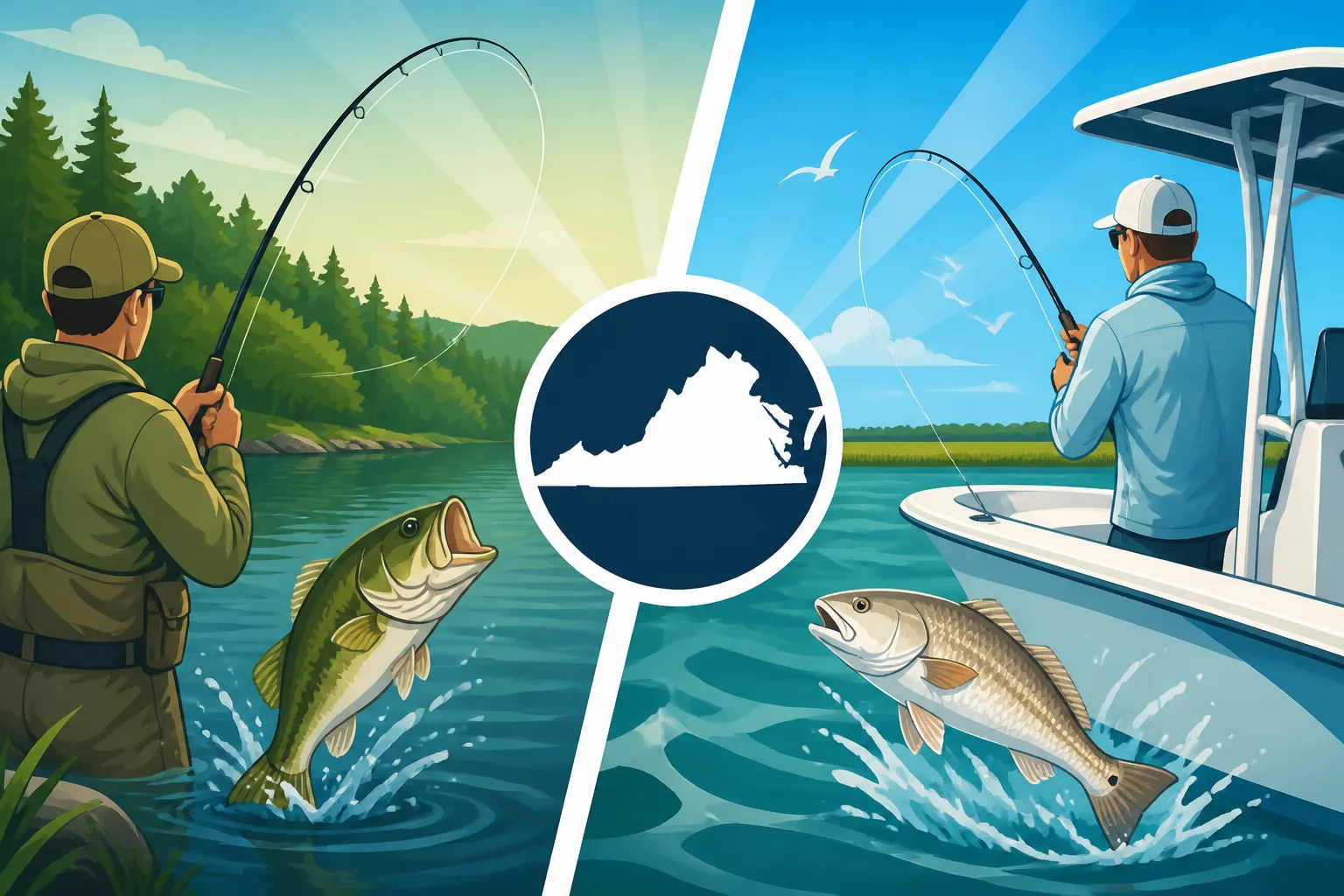
When we talk about freshwater fishing in Virginia, we're typically envisioning calm lakes, winding rivers, and babbling brooks nestled within the state's interior. Think of places like Smith Mountain Lake, Lake Anna, or the James and Shenandoah Rivers. Here, the waters are typically calmer, often surrounded by lush forests or rolling hills, offering a tranquil escape. The fish species you'll target are adapted to these non-saline environments. You'll likely be pursuing popular game fish like largemouth and smallmouth bass, feisty crappie, various species of catfish, and the beautiful rainbow, brown, and brook trout in colder waters. The tactics often involve precise casting, understanding structure, and sometimes patience as you wait for a bite in a quiet cove.
Saltwater fishing, on the other hand, transports you to a completely different world. This encompasses the immense Chesapeake Bay, its numerous tidal tributaries, and the Atlantic Ocean accessed from coastal towns like Virginia Beach. Here, the environment is defined by tides, currents, and often more expansive, open waters, which can range from calm to quite choppy. The species are equally diverse and often larger, built for the challenges of a marine environment. The star of the show for many is the striped bass, affectionately known as "rockfish" in these parts, but you'll also find flounder, red drum, cobia, tautog, and a host of other exciting catches. The methods can vary wildly from trolling wide areas to bottom fishing near wrecks or casting lures along oyster beds. The sheer size of the water and the potential for larger, harder-fighting fish adds an undeniable thrill.
Licensing and Regulations: A Tale of Two Systems
One of the most crucial distinctions, and often a point of confusion for new anglers, lies in the licensing and regulations. Virginia operates two distinct licensing systems: one for freshwater and one for saltwater. You simply cannot use a freshwater license to fish in saltwater, or vice versa, with very few exceptions. For a freshwater guide trip, you’ll need a Virginia freshwater fishing license. These are generally straightforward to obtain and cover most inland waters. The cost and duration can vary, so it's wise to check the current rates before your trip.
For a saltwater bay charter, you'll need a saltwater fishing license, and often a Virginia Saltwater Angler Registry (FIP) number. However, this is where charters offer a significant convenience. Most licensed saltwater fishing charters operate under a blanket license that covers all their paying customers, meaning you typically do not need to purchase your own individual saltwater license when fishing with a professional guide. It’s always smart to confirm this with your charter captain when booking, but it's a common practice that simplifies things immensely for visitors. Understanding Virginia Fishing License Requirements for Residents and Nonresidents is still a good idea, as it provides a solid foundation for all your fishing adventures in the state. Always ensure you're compliant, as wildlife officers frequently check for valid licenses on the water.
What to Expect from a Freshwater Guide Trip in Virginia
Opting for a freshwater guide trip in Virginia means you're looking for a more intimate, focused fishing experience. These trips are fantastic for delving into specific techniques, learning the nuances of a particular body of water, and targeting a select few species with expert precision.
Typical Destinations and Target Species
Virginia's freshwater landscape offers a plethora of world-class fishing destinations, each with its own character and species concentrations. Guide trips often focus on these specific hotspots. For instance, if you're chasing trophy largemouth bass, your guide might take you to the sprawling hydrilla beds of Lake Anna or the deep, clear waters of Smith Mountain Lake. These guides know the lakes like the back of their hand, understanding seasonal patterns and where the big fish hide. They can teach you everything from flipping jigs into heavy cover to slow-rolling spinnerbaits along ledges.
If smallmouth bass are your passion, a guide will likely steer you towards the current-rich rivers like the James or the Shenandoah, where these bronze warriors thrive. They'll show you how to read the river, identify prime holding water, and present baits effectively in moving current. For those seeking the solitude and challenge of trout fishing, guides will lead you to pristine mountain streams in the western part of the state, often focusing on fly fishing for rainbow, brown, or native brook trout. Other trips might focus on the prolific crappie fisheries found in many of Virginia's reservoirs or targeting massive catfish in the tidal rivers. Learning about Best Bass Fishing Lakes in Virginia can help you narrow down your freshwater guide trip choices significantly.
The Angler Experience: Skill Level, Equipment, and Focus
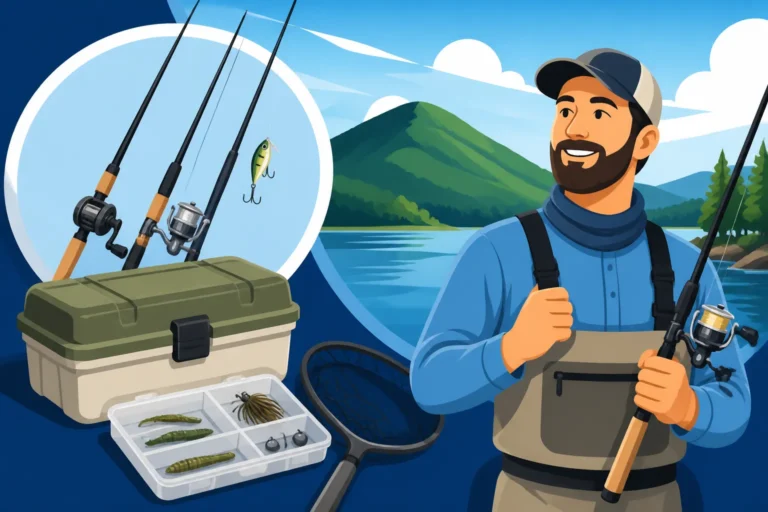
One of the biggest advantages of a freshwater guide trip is the personalized experience. These guides are typically operating smaller boats, often bass boats or john boats, allowing for focused attention on a small group, usually 1-3 anglers. They provide all the necessary equipment, from high-quality rods and reels to a diverse array of lures, baits, and tackle. This means you don't need to bring anything beyond your personal items, making it incredibly convenient, especially for travelers.
Freshwater guides excel at tailoring the trip to your skill level and goals. If you're a complete beginner, they'll patiently teach you the basics of casting, knot tying, and fish handling. They'll explain why fish are in certain areas and what baits they prefer. For more experienced anglers, a guide can help refine techniques, introduce advanced strategies, or provide access to hard-to-reach spots. Want to learn to Fly Fishing for Smallmouth Bass? A specialized guide can offer invaluable instruction and put you on productive water. The focus is intensely on fishing, with the guide providing constant coaching and insights, making it a fantastic learning opportunity. You’re paying for their expertise, their boat, and their ability to put you on fish, often leading to a truly memorable and educational day on the water.
Diving into Saltwater Bay Charters in Virginia
Switching gears to saltwater bay charters brings a different scale of adventure. These trips are often about the thrill of the open water, the chase for larger, powerful fish, and the camaraderie of fishing with a crew.
Prime Locations and Prized Catches
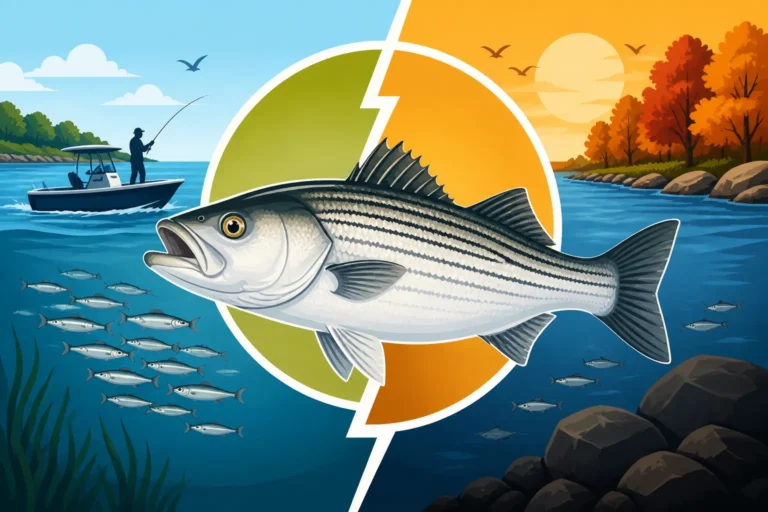
Virginia's saltwater fishing scene is dominated by the majestic Chesapeake Bay and its proximity to the Atlantic Ocean. Charters typically depart from popular ports like Virginia Beach, Lynnhnhaven Inlet, or along the lower Chesapeake Bay. The sheer size of the Bay offers incredible opportunities for a diverse range of species. For many, the ultimate goal is the striped bass (rockfish), especially during the spring and fall migrations when these fish move through the Bay in large numbers. These are powerful fighters, and catching a legal "rockfish" can be a highlight for any angler. Virginia Striped Bass Season and Slot Limit Guide provides essential details on when these seasons are open.
Beyond striped bass, Bay charters target other highly sought-after species. Flounder are a popular bottom fish, known for their delicious white meat and tricky bites. Red drum, especially the "bull reds," offer a brute force fight that can test even seasoned anglers. Cobia provide another exciting challenge, often sight-fished from the tower of a charter boat. Tautog (or "tog") are a bottom-dwelling species known for their incredible strength and preference for rocky structures. A Chesapeake Bay Fishing Charters in Virginia trip can open up a world of possibilities, taking you to fertile fishing grounds that are often inaccessible to smaller private boats. The experience of reeling in a big saltwater fish with the vast bay or ocean as your backdrop is truly exhilarating.
Charter Dynamics: Group Sizes, Boat Types, and Trip Styles
Saltwater charters typically involve larger boats, ranging from 25-foot center consoles to 60-foot head boats, designed to handle open water conditions. These vessels are equipped with powerful engines, advanced navigation, and safety gear. Charters come in a few main styles: "private" charters, where you book the entire boat for your group (typically 1-6 people), and "head boat" or "open boat" trips, where you pay per person and share the boat with other anglers. FishingBooker is a great resource for seeing the variety of charters available and comparing different options, whether you're looking for a private experience or a spot on a larger boat.
Most charters offer both half-day and full-day options, with some even providing extended or specialized trips. Half-Day vs Full-Day Fishing Charters in Virginia outlines the different experiences. On a charter, you'll have a captain and often a mate who handles the baiting, netting, and general assistance, providing a truly hands-off experience if you prefer. They'll typically provide all the necessary tackle, bait, and often ice for your catch. These trips are fantastic for families, larger groups, or anyone who wants the thrill of big game fishing without the hassle of owning and maintaining a large boat. The crew works hard to put you on fish and ensure a safe, enjoyable day, making it a popular choice for both seasoned saltwater enthusiasts and those just dipping their toes into the marine world.
Making Your Choice: Which Virginia Fishing Adventure is Right for You?
So, how do you decide between the tranquil intimacy of a freshwater guide trip and the grand adventure of a saltwater bay charter? It really boils down to your personal preferences, your goals for the trip, and who you're sharing the experience with.
Comparing Costs and Value
When looking at the investment, it's important to understand what you're getting for your money. Freshwater guide trips generally cater to smaller groups, often 1-3 people, and can range significantly in price depending on the duration and the guide's reputation. You're paying for highly specialized knowledge of a particular lake or river and a more personalized coaching experience. All tackle, bait, and boat usage are included.
Saltwater bay charters, especially private ones, tend to have a higher base price because of the larger boat, more expensive equipment, and additional crew (mate). However, when you factor in splitting the cost among a larger group (up to 6 typically for a private charter), the per-person cost can sometimes be comparable or even lower than a freshwater trip. Head boat trips, where you pay per person, are often the most budget-friendly option for saltwater, though they offer less personalized attention. Many guides and captains list their rates on platforms like FishingBooker, which makes it easy to compare Fishing Charter Prices by Trip Length across different providers. While an individual saltwater license is usually covered by the charter, don't forget that tipping the mate is customary and should be factored into your budget.
Here’s a quick comparison:
| Feature | Freshwater Guide Trip | Saltwater Bay Charter |
|---|---|---|
| Typical Environment | Lakes, rivers, streams (calm water) | Chesapeake Bay, nearshore ocean (can be choppy) |
| Primary Target Species | Bass, crappie, catfish, trout | Striped Bass (Rockfish), Flounder, Drum, Cobia |
| Group Size (Private) | Smaller (1-3 anglers) | Larger (up to 6 typically) |
| Boat Type | Bass boat, john boat, smaller vessels | Offshore center console, sportfisher, head boat |
| License Requirement | Individual Virginia Freshwater License | Usually covered by charter's blanket license |
| Experience Level | Excellent for all levels, especially learning | Great for all levels, more hands-off options |
| Focus | Personalized coaching, specific techniques | Broader search, multiple lines, crew assistance |
| Typical Duration | Half-day (4-5 hrs), Full-day (8 hrs) | Half-day (4 hrs), 3/4-day (6 hrs), Full-day (8 hrs) |
Experience Level, Goals, and Group Considerations
Ultimately, your choice should align with your fishing aspirations. If your goal is to learn the finer points of bass fishing, master a new technique, or enjoy a quiet day targeting a specific species in a serene setting, a freshwater guide trip is likely your best bet. It’s an immersive learning experience, perfect for beginners looking to gain confidence or experienced anglers wanting to unlock local secrets. You'll get more one-on-one time with the guide, and the calmer waters are generally easier for those prone to seasickness.
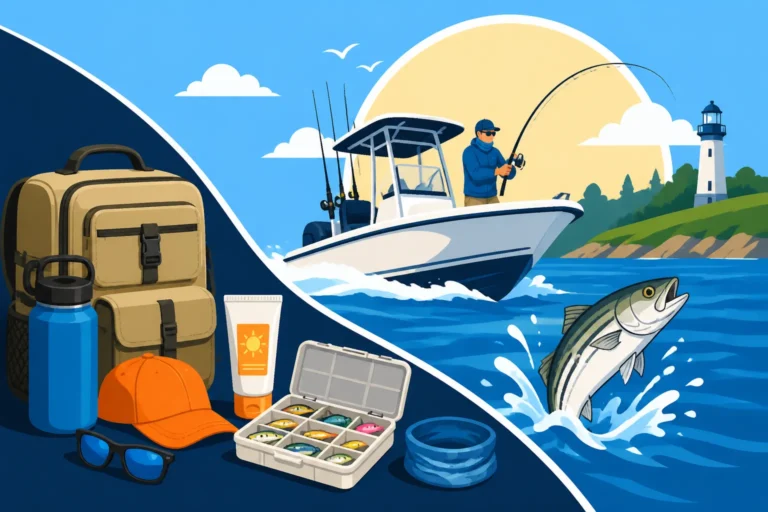
If you're seeking the excitement of big water, the potential for larger, harder-fighting fish, or simply want to relax while a professional crew handles everything, a saltwater bay charter delivers. These trips are often more social, great for families with kids who want to experience the thrill of the ocean, or groups of friends looking for a lively outing. They provide a fantastic opportunity to catch species you might not typically encounter in inland waters. Booking platforms like FishingBooker offer detailed listings, allowing you to filter by specific fish you want to target, amenities like restrooms on board, or whether a charter is explicitly Family-Friendly Fishing Charters in Virginia. Don't forget to think about What to Bring on a Virginia Fishing Charter, whether freshwater or saltwater, to ensure you're comfortable and prepared for your day on the water.
Whether you choose a quiet morning chasing bass on a Virginia lake or an exhilarating day battling rockfish in the Chesapeake Bay, both freshwater guide trips and saltwater bay charters offer incredible angling adventures. Virginia’s diverse fisheries truly have something for everyone. Consider your personal preferences, desired species, and group dynamics, and you’re sure to have an unforgettable experience on the water.
Disclaimer
This article is for general informational purposes only and does not constitute professional advice. Laws, prices and regulations vary by location and change over time. Consult a qualified professional for guidance on your specific situation.