Best Remote Fishing Coves on South Holston Lake
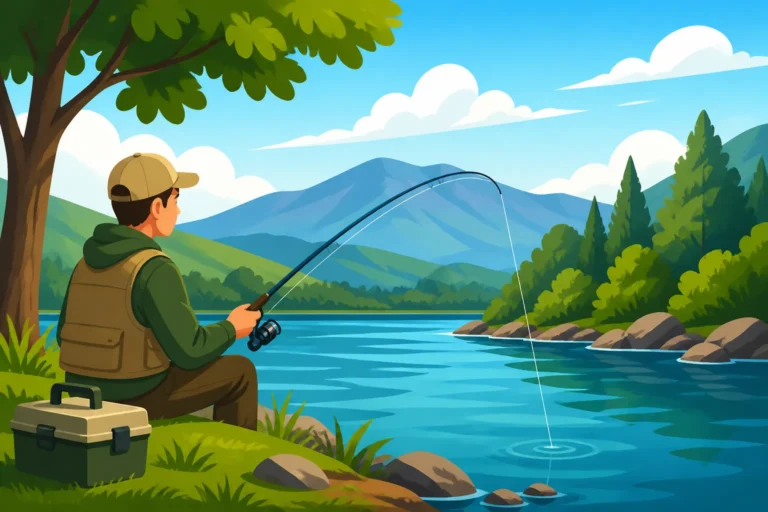
There's nothing quite like the feeling of escaping the hustle and bustle, is there? You head out for a day on the water, rod in hand, only to find every prime spot already occupied, boats packed in like sardines. It can be incredibly frustrating when all you want is some peace and quiet, and a real chance at fish that haven't seen a hundred lures fly past their noses already. If you're yearning for that untouched, serene fishing experience where the only sound is the gentle lapping of water against your boat, then South Holston Lake's remote coves are calling your name. This guide will walk you through finding those hidden gems and enjoying the solitude they offer.
Why Remote Coves on South Holston Lake Are a True Angler's Escape
South Holston Lake, nestled in the Appalachian Mountains on the Virginia-Tennessee border, is a stunning reservoir renowned for its clear waters and fantastic fishing. But beyond its popular public access points, it harbors a labyrinth of secluded coves and hidden pockets that are a dream come true for anglers seeking genuine solitude and unpressured fish.
The Allure of Seclusion and Unpressured Fish
Imagine casting your line into pristine waters, surrounded by towering trees and the quiet hum of nature, with no other boats in sight. That's the magic of remote coves. Fish in these areas tend to be less wary because they're not constantly bombarded with artificial presentations or the noise of crowded boat traffic. This means they're often more willing to strike, leading to more consistent action and, potentially, bigger catches. It's a chance to truly connect with the environment and test your skills in a setting that feels wild and untamed. The mental peace you gain from these quiet moments is just as valuable as the fish you might reel in.
Understanding South Holston Lake's Unique Geography
South Holston Lake is a sprawling, serpentine body of water, created by the South Holston Dam on the South Fork Holston River. Its irregular shoreline, characterized by numerous fingers, inlets, and deep cuts, is precisely what makes it so ideal for finding remote spots. The lake stretches for miles, with many areas only accessible by boat, kayak, or on foot if you're willing to hike through rugged terrain. This intricate geography naturally disperses anglers, creating ample opportunities for those willing to venture off the beaten path. The sheer volume of shoreline and countless small tributaries feeding into the lake mean there are endless nooks and crannies to explore, each with its own unique habitat and potential for holding fish.
Identifying the Best Remote Coves
Finding these hidden havens isn't about luck; it's about preparation and understanding what makes a cove a prime fishing spot.
Key Features of a Prime Remote Cove
When you're looking for that perfect secluded spot, keep an eye out for several key characteristics. First, look for structure. This could be anything from fallen timber, rock piles, sudden drop-offs, or submerged creek channels. Fish, especially bass, crappie, and walleye, are always attracted to structure for cover, ambush points, and food sources. Secondly, consider depth variations. Remote coves often feature a mix of shallow flats that warm up quickly in the spring, and deeper channels or holes where fish can retreat during the heat of summer or the cold of winter. Thirdly, cover is crucial. Overhanging trees, lily pads, thick brush, or even natural springs providing cooler water can be magnets for fish. Finally, limited access is the defining feature of a truly remote cove. The harder it is to get to, the less pressure the fish will have faced. This often means navigating narrow channels, shallow entrances, or simply motoring further up a creek arm than most people bother with.
Tools for Discovery: Maps, Satellite Imagery, and Local Knowledge
Modern technology has made finding these spots easier than ever. Start with high-resolution satellite imagery through services like Google Earth. You can visually scout the entire lake, zooming in on areas that look promising due to their complex shorelines, dense tree cover, or distinct underwater features that might indicate structure. Look for changes in water color, which can hint at different depths or vegetation. Topographical maps are also invaluable, showing contour lines that reveal sudden depth changes, creek beds, and underwater humps.
However, nothing beats local knowledge. Talking to experienced local anglers, bait shop owners, or even hiring a guide for a day can unlock secrets that no map can reveal. Many experienced guides on platforms like FishingBooker specialize in guiding anglers to productive, less-frequented areas of the lake, offering an invaluable shortcut to those honey holes. They often know the seasonal patterns, the best baits for specific coves, and how to safely navigate to these tucked-away places. Remember, discretion is key when asking for specific locations; respect the local wisdom and the unwritten code of preserving these special spots.
Navigating to Secluded Spots on South Holston
Getting to these remote fishing coves requires a bit of planning and the right mode of transportation. It's not always a straight shot from the nearest boat ramp.
Boat Access Considerations
If you're using a powerboat, you'll need to be mindful of your vessel's draft and the lake's water levels. Some remote coves might have shallow entrances, especially during periods of lower water, which could leave you high and dry. Always consult navigation charts and keep an eye on your depth finder. Popular boat ramps like the one at Osborne Island Public Boat Launch or other ramps around the lake (like those in Washington County Park on the Virginia side, or Observation Knob Park on the Tennessee side) will get you on the water. From there, you'll embark on your journey, often needing to navigate several miles up winding creek arms such as those feeding into the South Fork Holston River arm or the numerous smaller tributary arms that define the lake. Always prioritize safety; tell someone where you're going and when you expect to return, especially when exploring less-traveled areas.
Kayak and Canoe Advantages
For the truly remote coves, kayaks and canoes are often your best friends. Their shallow draft allows you to slip into tight, skinny water where larger boats simply can't go. This stealthy approach is fantastic for getting close to unpressured fish without spooking them. You can silently paddle into the calmest corners, maneuvering through flooded timber or over submerged vegetation with ease. Kayak anglers often report a higher success rate in these secluded areas precisely because of their ability to access places that see minimal human disturbance. This direct, quiet connection to the water also enhances the overall experience of solitude. If you're looking for an alternative to a traditional boat trip, exploring Kayak Fishing License Requirements for Virginia Anglers might be a good idea.
Hiking and Shoreline Access
For the most adventurous souls, some remote coves can be accessed by hiking. This usually involves parking at a designated trail or road access point and trekking through wooded areas to the shoreline. This method demands thorough preparation: wear appropriate hiking gear, carry plenty of water, and be aware of wildlife. Always respect private property boundaries and stick to public access points or established trails. The payoff, however, can be immense – truly untouched banks where you're the first angler to cast a line in days, weeks, or even longer. This is often where you find the biggest surprises, as these fish rarely see human interaction.
Top Remote Coves and Their Target Species
While South Holston Lake is known for its diverse fishery, certain remote coves tend to favor specific species. Identifying these patterns can help you tailor your approach for maximum success. Since pinpointing exact "secret spots" publicly goes against the spirit of remote fishing, let's explore types of remote coves and the fish you're likely to find there, using hypothetical names for illustration.
"Piney Point Pocket" and Its Smallmouth Bass Potential
Imagine a cove nestled deep within a pine-laden arm, characterized by steep rocky banks and scattered boulders, with a sudden drop-off into deeper water. This "Piney Point Pocket" is precisely the kind of habitat smallmouth bass adore. These hard-fighting fish thrive in clear, cool, oxygen-rich waters with plenty of rocky structure for ambush points. In such a remote cove, smallmouth might be found cruising the rocky ledges, particularly in the early morning or late evening, or holding tight to submerged timber during brighter daylight hours. Top lures here would be small crankbaits mimicking baitfish, tube jigs bounced along the bottom, or suspending jerkbaits worked slowly near structure. The lack of boat traffic means these bass are less pressured and more likely to aggressively strike.
"Whispering Waters Inlet" for Largemouth and Panfish
Consider a long, winding inlet, perhaps with a muddier bottom, dense lily pad fields, and a few fallen trees lining its banks. We'll call this the "Whispering Waters Inlet." This type of remote cove is a classic largemouth bass haven. The shallower, warmer water, combined with ample vegetation and woody cover, provides perfect habitat for largemouth to hide, hunt, and spawn. You might find them tucked under lily pads, near shaded logs, or cruising the edges of emergent grass. This area is also excellent for various panfish like bluegill and crappie, which thrive in similar environments and provide a fantastic family-friendly fishing experience. For largemouth, soft plastics like Texas-rigged worms or weedless frogs worked over pads would be ideal. For panfish, a simple bobber and live worm or small beetle spin can yield steady action.
"Hidden Gorge Narrows" for Striped Bass and Walleye
Now, picture a narrower section of the lake, perhaps where a creek channel funnels into a deeper gorge, creating current and attracting schools of baitfish. This "Hidden Gorge Narrows" offers a unique opportunity for species like striped bass and walleye. Striped bass are pelagic, often chasing baitfish in open water, but they will congregate in areas where current and structure combine to create feeding opportunities. Walleye, on the other hand, prefer deeper, cooler water and rocky or gravel bottoms. A remote narrows like this, with its clear, flowing water and potentially significant depth changes, offers both habitat needs. Trolling with deep-diving crankbaits or casting heavy jigs might entice these elusive fish. The element of surprise in finding these predatory fish in such a quiet, remote setting is part of the thrill. For more on targeting these species, you might find our guide on Walleye Fishing in Virginia quite helpful.
Essential Gear and Techniques for Remote Cove Fishing
Heading to a remote cove isn't just about finding the spot; it's about being prepared and adapting your fishing strategy to the unique environment.
Packing Smart for a Secluded Trip
When you're venturing into remote territory, every item you bring needs to count. Less is often more when it comes to tackle, as you'll be carrying it in. Focus on versatile rods and reels suitable for your target species. Pack a small, essentials-only tackle box with a variety of lures and baits that can cover different depths and conditions, rather than bringing your entire collection. Don't forget safety gear: a first-aid kit, whistle, spare paddle (if kayaking), PFDs, and a fully charged phone (though service might be spotty). Pack ample water and snacks, as there won't be any convenience stores nearby. A multi-tool, headlamp, sunscreen, bug spray, and a small dry bag for valuables are also highly recommended. Remember that even if you're using a charter or guide, you'll still want to bring some personal items. FishingBooker's guidelines often include recommendations for what clients should bring on their trips.
Techniques That Shine in Unpressured Waters
The lack of pressure in remote coves means fish might be less wary, but stealth and natural presentations are still key. Finesse fishing techniques often excel here. Think light lines, subtle lures, and slow retrieves. Because the fish aren't constantly seeing the same lures, they're more likely to bite something presented naturally. If you're targeting bass, try Texas-rigging a soft plastic worm or creature bait and slowly working it through cover. For crappie, a tiny jig under a bobber can be deadly.
Stealth is paramount. Approach quietly, minimize noise, and use natural cover to your advantage. Avoid casting long shadows over the water. Understanding natural presentations means mimicking the local baitfish or insects. Observe what's around you – do you see minnows, frogs, or dragonflies? Choose lures that match their size, color, and movement. When fish are unpressured, they're often more focused on feeding naturally than on dodging artificials. This allows you to experiment more and truly understand fish behavior. Our guide on Best Bait for Largemouth Bass in Virginia might offer some more specific ideas.
Respecting Nature and Ensuring Future Seclusion
The true beauty of remote fishing lies in its untouched quality. It's our responsibility as anglers to keep it that way.
Leave No Trace Principles
Practicing "Leave No Trace" is not just a good idea; it's essential for preserving these unique environments. This means packing out everything you pack in, including all trash, fishing line, and any other debris. Avoid leaving behind discarded bait containers or food wrappers. Be mindful of your impact on the shoreline; avoid trampling sensitive vegetation. If you're building a fire (check local regulations first!), ensure it's completely extinguished. The goal is that no one should be able to tell you were even there. By being diligent stewards of these special places, we ensure that they remain wild and accessible for future generations of anglers seeking solitude. This commitment to conservation is why fishing license fees in Virginia help support wildlife. Learn more about How Fishing License Fees Support Wildlife Conservation in Virginia.
Sharing the Secret Responsibly
There's a delicate balance between sharing your passion for fishing and overexposing a cherished remote spot. While it's natural to want to share a great catch or a beautiful view, resist the urge to widely publicize specific GPS coordinates or detailed directions to truly remote coves. Instead, share the type of spot you found, the techniques that worked, and the general character of the lake, encouraging others to do their own exploration.
Consider taking photos without revealing obvious landmarks. The discovery and effort involved in finding a remote spot are part of its allure, and denying others that journey can diminish their experience. By being responsible with information, we help maintain the "remoteness" that makes these coves so special. After all, the joy of discovering a new, quiet fishing hole is a unique reward in itself.
Remote Cove Fishing at South Holston Lake: Key Characteristics
| Cove Type Example | Key Features | Target Species | Ideal Access Method(s) | Recommended Baits/Lures |
|---|---|---|---|---|
| Piney Point Pocket | Rocky banks, boulders, deep drop-offs, clear water | Smallmouth Bass, Walleye | Small Boat, Kayak | Tube jigs, crankbaits, suspending jerkbaits |
| Whispering Waters Inlet | Shallow flats, lily pads, woody cover, muddy bottom | Largemouth Bass, Crappie, Bluegill | Kayak, Canoe | Soft plastics, weedless frogs, small jigs |
| Hidden Gorge Narrows | Creek channel, current, significant depth changes, rocky | Striped Bass, Walleye | Small Boat, Kayak | Deep-diving crankbaits, heavy jigs, live bait |
Remember, these are illustrative examples. The real thrill comes from exploring and finding your own hidden gems!
Disclaimer
Please note that fishing conditions, regulations, and access points can change. Always consult the latest Virginia Department of Wildlife Resources (DWR) regulations before heading out. Safety should always be your top priority when fishing, especially in remote areas.