Ten days of Virginia saltwater fishing costs just $10
It can feel overwhelming when you just want to enjoy a few days of saltwater fishing in Virginia, and you start looking at license requirements and costs. You might be picturing hefty annual fees or complicated permits, especially if you're only visiting or don't fish that often. But here's some really good news that cuts through all that confusion: Virginia offers an incredibly budget-friendly option for saltwater anglers that's often overlooked—a 10-day saltwater fishing license that costs just $10. This guide will walk you through exactly what this license entails, how to get it, and how to make the most of your brief but exciting fishing window.
The Unbeatable Value of Virginia's 10-Day Saltwater License
Let's be honest, not everyone lives and breathes fishing every single day, and even fewer have the luxury of hitting the water year-round. For many, fishing is a cherished vacation activity, a spontaneous weekend getaway, or a special occasion with family and friends. That's where the beauty of Virginia's 10-day saltwater fishing license really shines. At a mere $10, it's one of the most affordable ways to legally cast a line in the Commonwealth's vast and productive tidal waters. It's designed to make saltwater fishing accessible without the commitment or higher cost of an annual permit.
This isn't just about saving money; it's about convenience and removing barriers. Imagine planning a spontaneous trip to Virginia Beach, the Outer Banks (just across the border, but still good to know local options!), or a weekend at a Chesapeake Bay resort. The last thing you want is to spend a significant portion of your budget on a license you'll only use for a few days. This $10 option makes that scenario a non-issue, allowing you to focus on the fun parts of your trip, like choosing bait or scouting the perfect pier. It's a testament to Virginia's commitment to encouraging recreational angling for everyone, regardless of their residency status or how frequently they fish.
Who Benefits Most from This $10 Option
While the $10 10-day saltwater license is a fantastic deal for anyone, it particularly caters to a few specific groups of anglers. Understanding if you fall into one of these categories can help you quickly decide if this is the right license for your upcoming adventure.
First and foremost, visitors and tourists absolutely love this option. If you're coming to Virginia for a beach vacation, a family reunion near the coast, or a business trip with a little extra time for leisure, this license is your golden ticket. You get full access to the state's saltwater fisheries for ten consecutive days, providing ample time to enjoy pier fishing, surf casting, or a trip on a headboat. It prevents the need to purchase a more expensive annual nonresident license, which can run significantly higher. It’s perfect for those who only plan to fish for a week or two out of the year and want to experience what the Virginia coast has to offer without breaking the bank.
Then there are the occasional anglers—Virginia residents who might only hit the saltwater a couple of times a year. Maybe you have a buddy with a boat and you join him a few times in the summer, or perhaps you only fish during specific seasonal runs, like the spring speckled trout bite or the fall striped bass migration. An annual saltwater license for a resident is still quite reasonable, but if you truly only fish a handful of days, why pay for a whole year? This 10-day pass offers a cost-effective solution, allowing you to pay only for the time you need, making it a truly flexible choice for the part-time enthusiast.
Finally, it’s an excellent option for beginners or those "testing the waters" of saltwater fishing. If you're new to the sport or new to Virginia's saltwater scene and aren't sure if it's for you, this license is a low-risk way to give it a try. You can explore a new hobby without a significant financial outlay. You might discover a lifelong passion for chasing red drum in the Chesapeake Bay or battling flounder near a Virginia Beach pier, and all it cost you to find that out was a mere ten dollars. It’s an invitation to explore, learn, and fall in love with saltwater fishing without the pressure of a larger investment. You can learn more about Virginia Fishing License Costs and Types Explained() in our comprehensive guide.
What the $10 License Actually Covers
When you're shelling out a small amount like $10, it's natural to wonder what exactly you're getting. Rest assured, this 10-day saltwater license is not some watered-down version of a full annual permit. It provides legitimate coverage for a wide array of saltwater fishing activities within Virginia's jurisdiction, giving you broad access to the state's coastal opportunities.
Firstly, this license covers you for fishing in all of Virginia's tidal saltwater, which includes the entire Chesapeake Bay and its tidal tributaries, such as the James River, York River, and Rappahannock River, right down to the Atlantic Ocean coastline. This means you can fish from piers, jetties, public access points along the shore, and from boats, whether it's your own, a friend's, or a chartered vessel (though charter boats usually have a blanket license that covers their paying customers, it's always good to check with your captain). This expansive coverage allows for incredible flexibility in where and how you choose to fish. You're not restricted to specific zones or limited areas; the vast saltwater environment of Virginia is open to you.
Secondly, it allows you to target virtually all recreational saltwater species that fall under Virginia's fishing regulations. This includes popular sportfish like striped bass (often called "rockfish" locally), flounder, speckled trout, red drum, and tautog. You can also fish for panfish like croaker, spot, bluefish, and various types of perch. The license doesn't limit you by species, meaning if it's legal to catch it recreationally in Virginia's saltwater, you're good to go. This broad permission is truly fantastic, as it enables you to adapt your fishing plans based on the season, what's biting, and what kind of experience you're after.
However, it's critical to understand that this $10 license is strictly for saltwater fishing. It does not cover any freshwater fishing, even if that freshwater is in close proximity to tidal areas. If your fishing plans involve both freshwater lakes or rivers and saltwater estuaries, you'll need to purchase additional licenses. For example, if you want to fish for largemouth bass in a local pond and then head to the Chesapeake Bay for striped bass, you'd need the 10-day saltwater license and a separate freshwater license. For a deeper dive into the distinctions, check out our article on Freshwater and Saltwater Fishing Licenses in Virginia(). Additionally, while the license covers most recreational activities, certain specialized activities, like commercial crabbing or commercial fishing, require entirely different permits. This particular license is tailored for the average recreational angler looking to enjoy the rich offerings of Virginia's coastal waters for a limited period.
Easily Getting Your 10-Day Virginia Saltwater Fishing License
One of the best things about Virginia's Department of Wildlife Resources (DWR) system is how straightforward they make the process of getting a fishing license. You don't need to jump through hoops or navigate confusing bureaucracy just to get on the water. Whether you prefer the convenience of online shopping or the personal touch of a local agent, securing your 10-day saltwater license is designed to be quick and hassle-free, getting you fishing faster.
The DWR understands that modern anglers need modern solutions, and they've invested in making their licensing system user-friendly. This means less time stressing about paperwork and more time dreaming about that next big catch. So, whether you're planning ahead or deciding on a whim to grab your rod and reel, Virginia has made it easy to get legally geared up.
Online Purchase: The Quickest Route
For many anglers today, buying a fishing license online is by far the most convenient method, and Virginia has an excellent system in place to support this. You can literally purchase your 10-day saltwater license from the comfort of your home, a coffee shop, or even right from your phone while sitting by the water, provided you have an internet connection.
The process typically involves visiting the official Virginia DWR website. Once there, you'll navigate to their Go Outdoors Virginia licensing portal. You'll need to create an account if you don't already have one, which usually just requires some basic personal information like your name, address, and date of birth. This account will serve as your hub for all your Virginia outdoor licenses, including hunting and boating permits, should you decide to pursue other activities in the future. Once logged in, you'll simply select the "Virginia 10-Day Saltwater Fishing License" from the available options. The system will guide you through the purchase, allowing you to pay with a credit or debit card.
After your purchase is complete, you'll usually receive an immediate confirmation, often with a temporary license that you can print out or save digitally on your phone. It's always a good idea to have either a physical printout or the digital version readily accessible, as Virginia game wardens can and do check for valid licenses in the field. This immediate access means you can buy your license moments before you want to start fishing, removing any procrastination or last-minute trips to a physical store. For a step-by-step guide, check out How to Buy a Fishing License Online in Virginia(). This online convenience is a huge benefit, especially for those spontaneous trips or when you realize you need a license outside of regular business hours.
In-Person and Phone Options for Your Convenience
While online purchasing is increasingly popular, Virginia recognizes that not everyone has internet access or prefers to conduct transactions online. That's why they maintain a robust network of authorized license agents and a phone service to ensure everyone can easily obtain their fishing license.
For those who prefer a face-to-face interaction or need to pick up some last-minute bait and tackle anyway, there are plenty of physical locations where you can purchase your 10-day saltwater license. These include many sporting goods stores, bait and tackle shops, marinas, and even some department stores like Walmart. These agents are equipped with the DWR's Go Outdoors system and can process your license purchase on the spot. It's a great opportunity to ask local anglers or store clerks for tips on what's biting or the best spots in the area. You can usually find a list of authorized Where to Buy a Virginia Fishing License() agents on the DWR website, often searchable by zip code, which is super handy when you're in an unfamiliar area.
If you'd rather make a quick call, the Virginia DWR also offers a phone purchasing option. You can call their customer service number, provide your details, and make your purchase over the phone. They can often email you a temporary license immediately, or mail a physical copy if preferred, though for a 10-day license, a digital or printed temporary copy is usually all you need to get started right away. This method provides a convenient alternative for those who don't want to use a computer but still appreciate the efficiency of a direct transaction. All these options ensure that no matter your preference, getting your Virginia Fishing License Guide() is never a hurdle.
Essential Rules and Considerations for Your Short-Term Saltwater Trip
Having your shiny new $10 10-day saltwater fishing license in hand is a fantastic first step, but it's crucial to remember that the license is just one piece of the puzzle. Fishing, especially in diverse waters like Virginia's, involves a whole set of regulations designed to protect fish populations and ensure fair chase for everyone. Simply put, buying your license doesn't mean you can ignore all other rules. Ignoring these can lead to fines, confiscation of your catch, or even loss of future fishing privileges – something no one wants on a relaxing trip.
It's tempting to just grab your gear and go, but taking a few moments to understand the wider regulatory landscape will save you potential headaches and ensure a responsible, enjoyable experience. These rules are in place for a reason: to preserve the incredible fisheries Virginia is known for, allowing future generations to enjoy the same opportunities you're experiencing today.
Beyond the License: Understanding Virginia's Saltwater Regulations
Even with your 10-day saltwater license, you still need to adhere to all of Virginia's standard saltwater fishing regulations. These rules govern everything from what species you can keep, to how many, and how big they must be. These are not minor details; they are legally binding requirements, and enforcement officers regularly patrol the waters to ensure compliance.
Virginia's Department of Wildlife Resources and the Virginia Marine Resources Commission (VMRC) work together to set these regulations, which can change seasonally or even annually based on scientific assessments of fish stocks. This means what was legal last year might not be this year, so always check the most current regulations. You'll typically find detailed charts and explanations for species like striped bass, flounder, croaker, tautog, and red drum. These regulations usually cover:
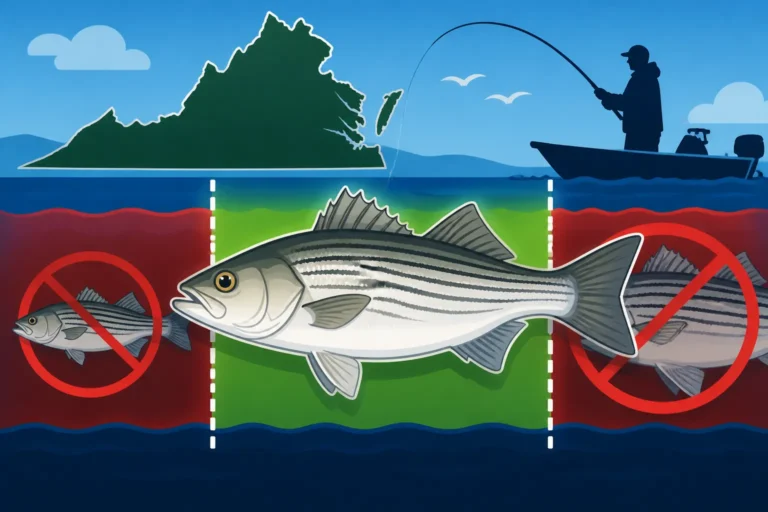
- Minimum Size Limits: This is the smallest size a fish must be to be legally kept. For example, a flounder might need to be at least 17 inches, or a striped bass within a specific slot limit. Keeping undersized fish is a common violation and can result in significant fines.
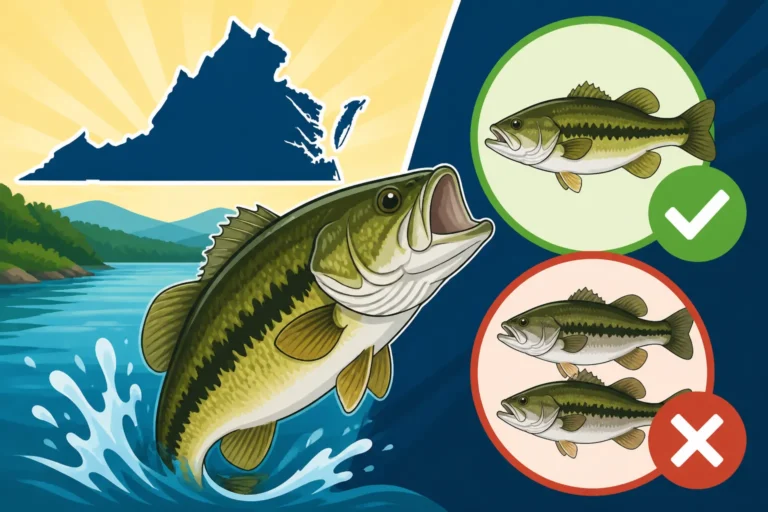
- Creel Limits (or Daily Possession Limits): This refers to the maximum number of a specific species you can keep per person per day. If the limit for flounder is 4, you cannot possess 5. These limits are crucial for managing fish populations and ensuring sustainable harvesting.
- Season Dates: Many species have specific seasons when they can be harvested. For instance,
Striped Bass Season and Slot Limit in Virginia()is often split into different periods during the year, while other species might be open year-round. Fishing for a species outside of its designated season is strictly prohibited.
Always carry a copy of the current regulations with you, either printed or digitally on your phone. Many bait shops will have free regulation summaries available, or you can find them on the DWR and VMRC websites. It’s better to be overly prepared than to inadvertently break a rule. Familiarize yourself with Virginia Fishing Regulations Explained() before you even wet a line.
| Species | Minimum Size Limit (Example) | Daily Creel Limit (Example) | Open Season (Example) |
|---|---|---|---|
| Striped Bass | 1 per person (28-31 inches) | 1 per person | Varies, often split (e.g., Jan-Mar, May-Jun) |
| Flounder | 17 inches | 4 per person | Year-round |
| Red Drum | 18-26 inches | 3 per person | Year-round |
| Speckled Trout | 14 inches | 4 per person | Year-round |
| Black Drum | 16-25 inches | 1 per person | Year-round |
Note: These are illustrative examples only. Always consult the official Virginia DWR and VMRC regulations for the most current and accurate information before fishing.
The Crucial FIP Requirement: Don't Overlook It!
This is a point of confusion for many anglers, and it's absolutely critical to understand: even with your Virginia's 10-Day Saltwater Fishing License(), you still need to comply with the federal angler registration program known as the National Saltwater Angler Registry (NSAR), or more commonly, the FIP (Fisheries Information Program) registration.
Here's the breakdown: your $10 Virginia 10-day saltwater license covers your state requirement to fish in Virginia's tidal waters. However, the federal government also requires anyone fishing for anadromous or marine fish in U.S. federal waters, or in states without their own exempt marine recreational fishing license program, to register with the FIP. Virginia does have its own state license (your $10 one), but it still requires anglers to be federally registered.
The good news is that for Virginia state license holders, this FIP registration is usually free and relatively simple to obtain. You can complete it online through the Virginia DWR's Go Outdoors Virginia system, often at the same time you purchase your state license, or as a separate, free transaction. It essentially adds your name to a national database, which helps fisheries managers gather vital data on recreational fishing effort and catch rates. This data is crucial for maintaining healthy fish populations and ensuring sustainable fishing opportunities.
Why is this so important? Because without FIP registration, even if you have your Virginia state license, you could still be considered in violation of federal law if you're targeting federally managed species. Enforcement officers are aware of this requirement, and not having it can lead to problems. It's a quick, free, and easy step that provides peace of mind and keeps you legal on both state and federal levels. Don't let this seemingly minor detail trip you up; take the extra couple of minutes to ensure you're fully compliant. Many charters will handle this for you, but if you're fishing on your own, it's 100% your responsibility. For a broader understanding, our Virginia's Fishing License and Catch Limit Basics() article can provide more clarity.
Maximizing Your 10-Day Saltwater Fishing Adventure
You've got your license, you understand the rules, now it's time for the fun part: making the absolute most of your 10 days on Virginia's spectacular saltwater. A short-term license means you're likely on a mission to enjoy as much fishing as possible, so a little planning can go a long way in ensuring a memorable and successful experience. Don't just randomly pick a spot; think strategically about where and when you'll cast your line to increase your chances of a great day on the water.
Virginia's coastal waters offer such a diverse array of fishing opportunities that even in just 10 days, you can create some incredible memories. From the bustling piers of Virginia Beach to the quiet coves of the lower Chesapeake Bay, there's a unique adventure waiting around every corner. Being prepared and informed will transform your trip from a hopeful outing into a targeted, enjoyable pursuit.
Best Times and Spots to Utilize Your License
To really make those 10 days count, strategic planning of when and where you fish is paramount. Virginia's saltwater fisheries are dynamic, with species moving seasonally and bite windows varying by time of day and tide.
Timing is Everything:
- Tides: For most inshore saltwater fishing, understanding the tidal cycles is key. Often, the hour or two before and after a high or low tide can be the most productive, as moving water disorients baitfish and concentrates predators. Consult local tide charts for your chosen fishing location.
- Dawn and Dusk: These low-light periods are often prime feeding times for many saltwater species, especially predators like striped bass and speckled trout. The cooler temperatures and reduced boat traffic can also make for a more pleasant experience.
- Seasonality: While your license is good for 10 consecutive days, the species you can target will depend heavily on the time of year. Spring and fall are often considered peak fishing seasons in Virginia, with migratory fish like striped bass and red drum moving through. Summer offers excellent panfish action (croaker, spot, flounder), while winter can be good for tautog and specific deeper-water species. If you're planning your trip around a specific species, research its peak season.
Where to Cast Your Line:
- Piers and Jetties: For easy access and often productive fishing, public fishing piers in places like Virginia Beach, Ocean View, and Lynnhaven Inlet are fantastic options. They put you over deeper water and provide access to species like croaker, spot, flounder, bluefish, and even occasional striped bass. Jetties offer similar access, often with more structure for fish to hide around. Many piers have bait shops and tackle rentals, making them very beginner-friendly.
- Chesapeake Bay Tributaries: The tidal sections of rivers like the James, York, and Rappahannock offer incredible fishing for striped bass, speckled trout, red drum, and catfish. These areas provide a mix of calm waters and diverse habitats. Look for public boat ramps or bank access points. Our
Chesapeake Bay Striped Bass Fishing Guide()offers excellent advice for this iconic fishery. - Coastal Waters (Surf and Nearshore): If you enjoy surf fishing, the beaches along the Atlantic coast, from the Eastern Shore to Virginia Beach, can be highly productive for species like red drum, striped bass, flounder, and various panfish. Nearshore wrecks and reefs, accessible by boat or kayak, hold flounder, tautog, and seabass.
- Charter Boats: If you're unfamiliar with the area or want to maximize your chances of catching specific species, consider booking a charter. The captain and crew will have the local knowledge, gear, and experience to put you on fish, making for an efficient use of your 10 days.
Common Saltwater Species You Can Target
Virginia's saltwater bounty is diverse, and your 10-day license opens up opportunities to catch a wide variety of fish. Knowing what species are commonly available and how to target them can help focus your efforts and increase your success.
- Striped Bass (Rockfish): These are perhaps the most iconic sportfish in the Chesapeake Bay and its tributaries. They are powerful fighters and can be caught using a variety of methods, including trolling, live baiting, and casting artificial lures. The
Striped Bass Season and Slot Limit in Virginia()are critical to understand, as they have specific size and seasonal restrictions. - Flounder: A delicious flatfish that's a favorite among many anglers. They love to ambush bait from sandy or muddy bottoms near structure. Popular methods include bottom fishing with live minnows, squid, or Gulp! artificial baits. Look for them around bridge pilings, wrecks, and channels.
- Speckled Trout: Known for their beautiful spots and aggressive strikes, speckled trout are often found in shallow, grassy areas of tidal rivers and estuaries, particularly in the spring and fall. They readily hit soft plastics, MirrOlures, and live shrimp or baitfish.
- Red Drum (Redfish): These powerful bronze-colored fish are a thrill to catch, especially the larger "bull reds" that frequent the Chesapeake Bay and coastal inlets. They'll readily take cut bait (like crab or mullet) fished on the bottom, or large artificial lures. Younger "puppy drum" can be found in shallower waters.
- Croaker & Spot: These smaller, panfish-sized species are incredibly abundant and perfect for beginners or family fishing trips. They are easy to catch from piers and shorelines using small hooks with pieces of shrimp, squid, or FishBites. They offer consistent action and are excellent eating.
- Tautog: A challenging but rewarding catch, tautog are structure-oriented fish known for their strong bite and even stronger fight. They are typically found around rocky bottoms, jetties, and wrecks. Crabs are their preferred bait, fished vertically near structure.
By researching the current conditions and combining this knowledge with your 10-day license, you're set for an amazing Virginia saltwater fishing adventure. Whether you're chasing trophy stripers or simply enjoying the tug of a croaker, that $10 investment will pay dividends in memories.
Disclaimer
The information provided in this guide is for general informational purposes only and is subject to change. While we strive to provide accurate and up-to-date information, fishing regulations, license costs, and seasonal openings are determined by the Virginia Department of Wildlife Resources (DWR) and the Virginia Marine Resources Commission (VMRC) and can be modified at any time. It is the responsibility of every angler to consult the official DWR and VMRC websites or their authorized agents for the most current regulations and to ensure full compliance before engaging in any fishing activities. Failure to do so may result in penalties.